



Being vegan during the holidays is often seen as a departure from tradition. But what if abstaining from animal products is itself part of the tradition?
I’ve heard every version of why being vegan supposedly conflicts with someone’s culture or religion: “My background is German; I could never be vegan.” “I come from Irish stock; my meat-and-potatoes family just couldn’t take it.” “My Greek grandmother would roll over in her grave if I stopped eating lamb!”
And yet, abstaining from animal flesh and fluids has been a tradition for centuries in many religions, including Christianity. It was a regular part of the Christian liturgical calendar—and a tradition I became aware of through my own Catholic upbringing.
Finding My Own Meaning in Familiar Traditions
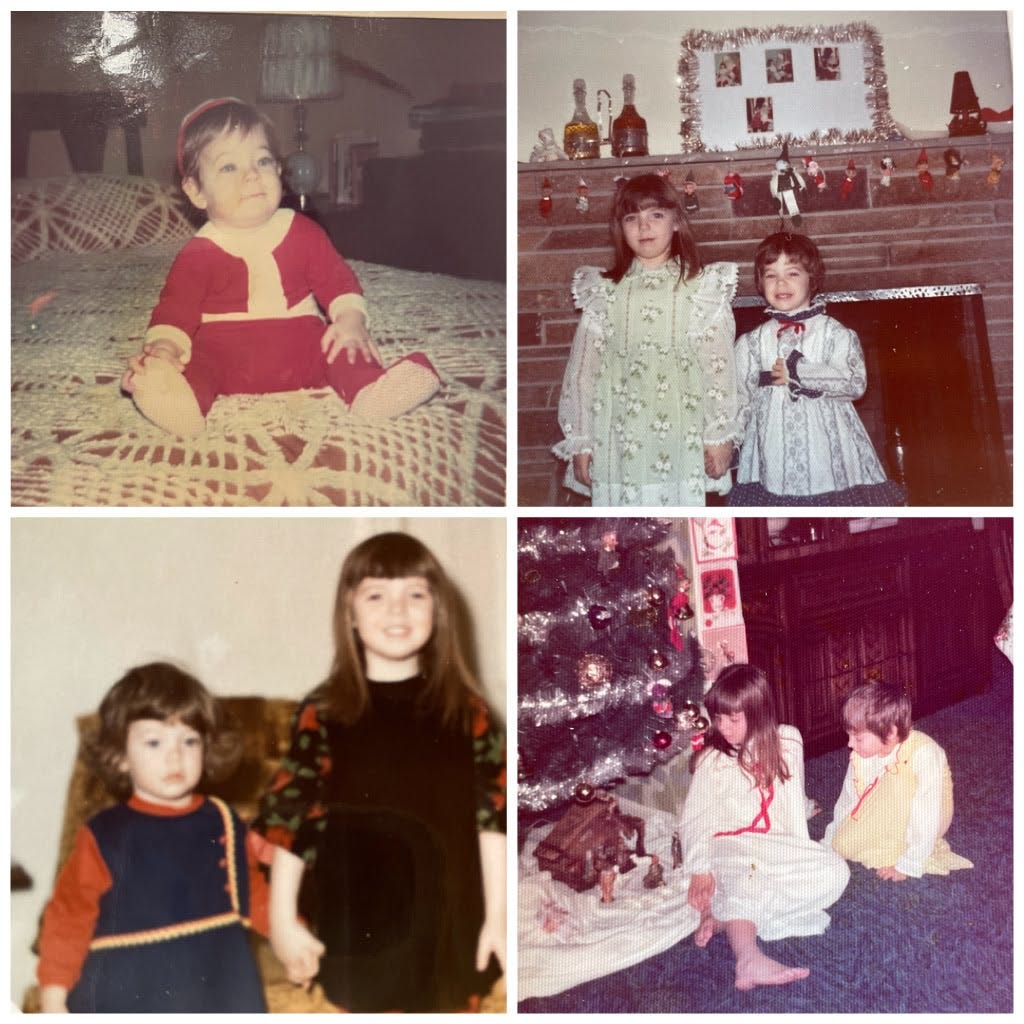
I grew up in a mixed religious household—my father was Catholic and my mother was Protestant—and while that may not seem like a very dramatic contrast, both being Christian religions, it definitely caused tension and strain. The religion of each affected me in profound ways—ways that cannot be separated from who I became and who I am. My father came from a long line of Irish Catholics, and it was a huge part of his identity, and so it was agreed between my mother and father that my sister and I would be raised Catholic.
To say that Catholicism played a huge role in my upbringing would be an understatement. My father attended church every day and was friendly with all of the clergy in our church and school. My sister and I went with him to Mass every Sunday, attended catechism every week, went to Confession, and went through the rites of Communion and Confirmation. We also attended Catholic school until my parents’ divorce when I was 10 years young.
When it came time to forge my own beliefs, my mother’s Protestantism was a foil and refuge, and I eventually broke away from my father’s Catholic religion—which caused a permanent upset for him. But that’s another story for another day.
And like most children who go through the necessary process of finding their own way after having been raised one way, I threw the baby out with the bathwater. I rejected and criticized and judged the religion I was brought up in for years. But as I continued to get older and wiser, I didn’t want to have an attitude of arrogance and rejection for something that had been such a huge part of my life.
So, while I’m not a practicing Catholic, I made a conscious effort to reconcile my past and reframe, reshape, and re-form my memories to find not only a peace with Catholicism but even an appreciation for it and for some of the rites and rituals it’s centered on.
Rites and rituals are certainly not specific to Catholicism or religion. I hold the secular rites and rituals in my life very dear, and I remember with great fondness the rites and rituals surrounding many holidays, such as Easter and Christmas and the corresponding periods leading up to them—namely and respectively, Lent and Advent.
The Beauty of Giving Something Up
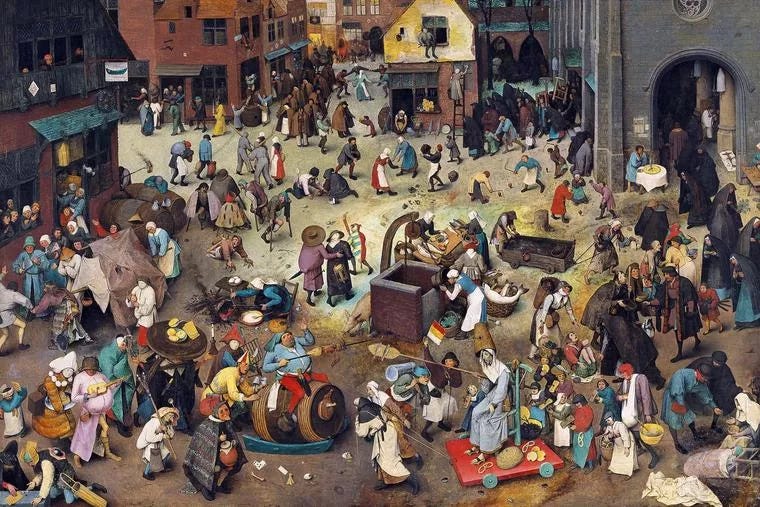
Many of you, Christian or not, would be more familiar with Lent—a time devoted to fasting and repentance and contrition. We were expected to give something up for Lent, a challenge I loved! There was something gratifying about choosing something I enjoyed and seeing if I could go without it. At the end of it—on Easter—you could celebrate and enjoy the very things you’d given up. All of that sacrifice leads up to the celebration, to the feast.
Advent was special, too, especially as it anticipated Christmas, and that always created excitement, especially for us children. But much wasn’t asked of us like was asked of us at Lent. We didn’t have to “give something up.”
Our association with Advent was mostly through the Advent calendar, which I loved—and still do. These calendars count down the days to Christmas, typically with 24 numbered windows or little doors, one to open each day from December 1 through Christmas Eve. Behind each door on ours was a Christmas image: the star of Bethlehem, a donkey (of course my favorite), a stable of animals. Opening one each day made the anticipation tangible. Today, many Advent calendars offer increasingly extravagant daily gifts leading up to more gifts—yet another means of decadence and consumption. Quite a departure from a season once devoted to prayer, reflection, fasting, and abstinence.
Historically, in parts of Western Europe, the period of preparation for Christmas followed St. Martin’s Day on November 11. The idea was that you had one last feast before you fasted, traditionally centered around eating animal flesh—particularly geese—and lots of fat and butter. Then the days leading up to Christmas were days of prayer and reflection—and abstaining from animal flesh.
Traditions varied in different parts of Europe, but giving up meat was common, and in some places eggs and dairy products were forbidden during Advent and Lent as well. The details of what could be eaten, on which days, and at what time varied by place and period.
These traditions haven’t disappeared.
Many Eastern Christian communities continue to observe a pre-Christmas fast—and these periods of abstinence extend well beyond the Christmas season. In the Ethiopian Orthodox Church, for example, the total number of fasting days amounts to about 250 a year, about 180 of which are obligatory, with abstinence from meat, eggs, and dairy products central to the practice. This is one of the reasons Ethiopian cuisine is so vegan-friendly.
When Fridays Were Meatless
When my father was growing up, his family didn’t eat meat on Fridays. Not that they had a lot of meat or money anyway, but meatless Fridays were part of Catholic life. For Catholics, the idea was that Friday marked Jesus’s crucifixion and Sunday his resurrection—making every Friday a kind of mini-Lent in preparation for the mini-Easter of Sunday.
By the time I came along, I knew these as “Fish Fridays”: you couldn’t eat meat (i.e. land animals), but you could eat fish.
The rules about meatless Fridays changed over time, too. In 1966, the U.S. bishops allowed Catholics to choose other forms of penance on Fridays outside Lent, while expressing the hope that parishioners would continue to abstain from meat voluntarily. During Lent, abstinence remained required.
What had been an obligation was now a suggestion. Because, you know…you wouldn’t want people to have to go without animal flesh for one day.
But even when abstinence is required, there are exceptions—and some remarkable arguments for them. Fish, lobster, and clams are permitted, while in some places, even beaver and muskrat have been deemed acceptable because they live in water. Apparently, the question isn’t whether to eat animals, but which ones can be made to count.
Can we please raise the bar?
Finding Meaning in Abstinence

Today, few Christians in the West observe Advent as a time of dietary abstinence. Instead, the holiday season is mostly one giant feast starting with Thanksgiving. Fasting and abstinence have given way to over-the-top indulgence and consumption.
Now, feasting is not a bad thing—I certainly partake in my share—but a period of restraint can make the celebration feel more special. When indulgence is our everyday habit, we lose some of that anticipation and appreciation.
When practiced alongside prayer, repentance, and charitable deeds, fasting is meant to turn our attention away from worldly desires and toward spiritual ones. While I’m not Christian and don’t observe formal religious fasts, I appreciate the self-control, discipline, and reflection involved in giving something up. You don’t have to be religious to find meaning in simplicity—or pleasure in anticipating something you enjoy. It’s one of the reasons I loved the challenge of Lent.
Being vegan, I’ve already turned away from animal flesh and fluids for ethical and health reasons. But there are indulgences I enjoy that take some effort to forgo: wine, bread, chocolate, sugar…things I otherwise have access to all the time.
And so, I challenge myself to give up some things during Advent so that when Christmas arrives, they feel like a treat. I find it rewarding—and this year is no exception. Advent begins today (Sunday, November 29th, 2026), and I’m hosting a trip in Ecuador, which makes it even more of a challenge. But I’m doing it.
Whether Advent holds religious meaning for you or simply offers an opportunity to challenge yourself, consider what you might give up to make the season more meaningful. If you’re already vegan, perhaps focus on simpler meals or commit to cooking at home more often. If you’re not, consider eating plant-based for the season—or taking my 30-Day Vegan Challenge. I’ve heard from many people who became vegetarian or vegan because Lent inspired them to start, and they never went back. Advent can be that beginning, too.
Traditional Foods of the Season
But abstinence doesn’t mean the season has to be without its pleasures. Advent has its own food traditions, including those associated with saints’ feast days—some of which you probably already make, or at least have heard of.
St. Lucia Buns
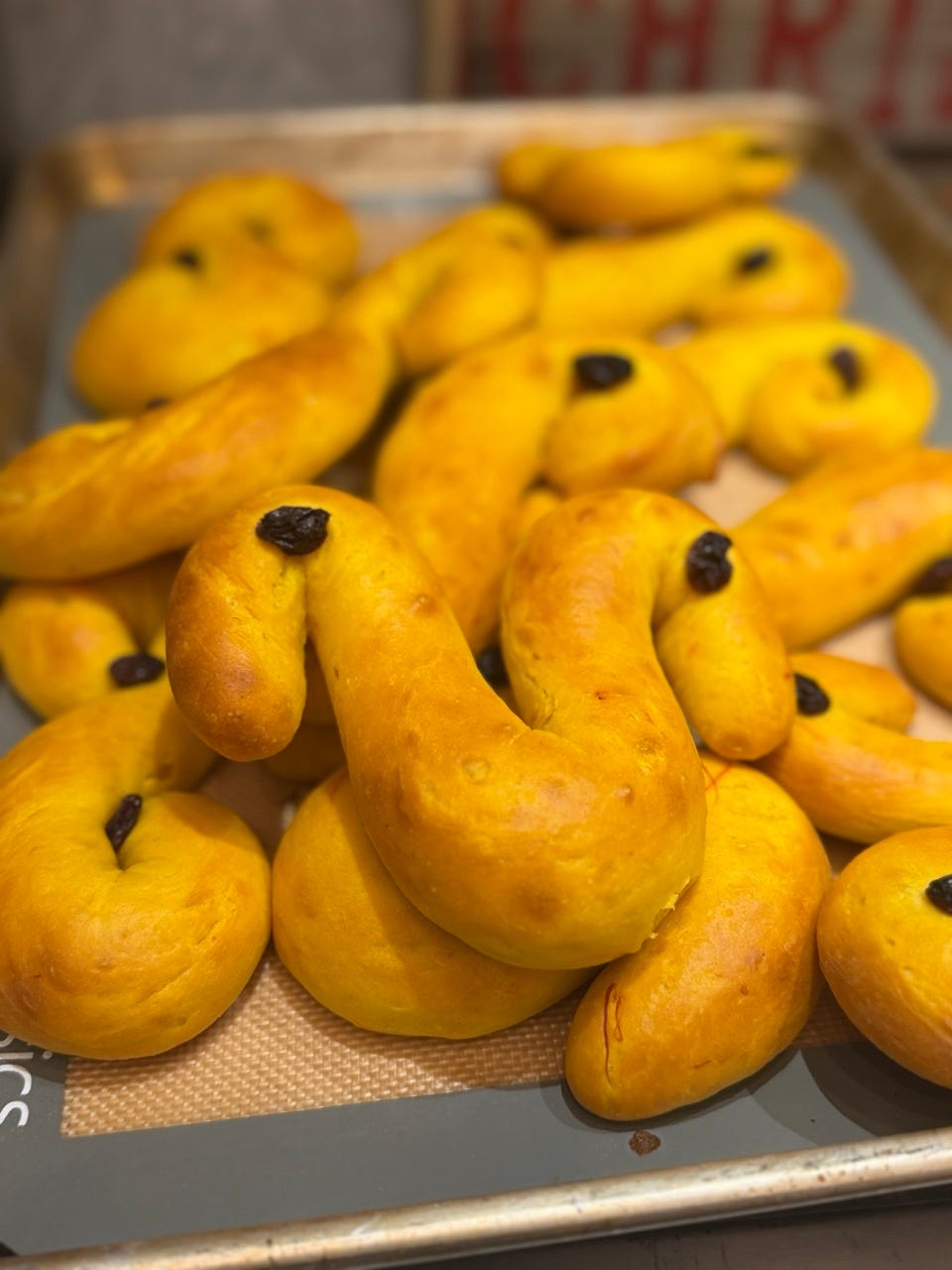
St. Lucia buns—lussekatter—are a Swedish favorite at Christmas, especially for St. Lucy’s Day on December 13. S-shaped and saffron-infused, they are slightly sweet, wonderfully buttery, and a vibrant yellow from the saffron-infused dough. Enjoy the recipe here.
Speculaas
Speculaas are spiced Dutch cookies associated with St. Nicholas’ Day celebrations. Another opportunity to enjoy a traditional seasonal food in a vegan version.

Stollen
In essence, stollen is enriched bread studded with candied fruit peel, nuts, spices, and raisins soaked in booze—a sort of fruitcake/hot cross bun mix. But it wasn’t always this way. Early Dresden stollen was a much simpler bread made without dairy-based butter because of Advent fasting restrictions. Permission to use butter eventually came through a papal “Butter Letter.”
Seriously! People needed the pope’s permission to eat butter!
Of course, vegan versions of stollen abound, allowing us to enjoy this traditional Christmas bread while keeping its connection to abstaining from animal products.

There are many other foods associated with this season across different traditions—some already plant-based, others easily made so. The point is that these traditions have never been fixed. They’ve changed over time, and we can continue to shape them around what matters to us.
The idea is to stretch our comfort zones, right, as well as sacrifice a little in the hopes of living more intentionally, more consciously, more deeply.
In the next article, Christmas Feasting, we’ll explore the food, festivities, and revelry of the Twelve Days of Christmas.
In the meantime…let me know what you think about this article and if you want to join me in abstaining from something in the spirit of the holiday season.
Additional Resources
👉 Explore more food history, Christmas traditions, and recipes — You’ll find plenty here on Substack, with even more recipes in my books, on-demand cooking classes, and recipe ebooks.
👉 Connect with me 1:1 — Get personalized guidance on whatever you’re working toward. (One one-on-one session is also a perk of the Founding Member/VIP level here on Substack.)
👉 Read A Year of Compassion — Daily inspiration to help you live with intention, kindness, and clarity.
👉 Travel the World Vegan Style! I’ve partnered with World Vegan Travel to bring you luxury, all-inclusive vegan trips around the globe. Whether I’m personally hosting or not, every itinerary is curated for a high-quality, premium experience. Check out upcoming trips, and please remember when booking to write in that you heard about them from COLLEEN PATRICK-GOUDREAU. 😊
My Favorite Supplements
Even with a nutrient-rich plant-based diet, we can thrive even more with thoughtful support.
That’s where Complement comes in. I take Complement Essential as my daily multivitamin for B12, D3, iodine, zinc, and magnesium; Omega Complex for essential fats; and as part of my strength-training and muscle-building routine, I fuel up with their clean Organic Protein.
With Complement and my nutrient-rich diet, I have everything I need to fuel my body, support my strength, and thrive so I can do my work in the world for animals—both human and non-human.
Get 15% off everything you order—every time you order—with the code JOYFULVEGAN.