


With Valentine’s Day is just around the corner, let’s talk about one of the oldest ways humans have expressed love, desire, and connection: through food. (Listen to my most recent podcast episode History’s Romantic Foods from Chocolate to Pomegrantes.)
For thousands of years, cultures around the world have associated certain foods with romance, fertility, and libido — foods we call aphrodisiacs, named for Aphrodite, the Greek goddess of love, beauty, desire, and sexual pleasure — valued as much for their effects on the body as for their color, texture, aroma, and taste.
And while those associations were shaped by mythology, culture, and symbolism, they were also grounded in something very real, very tangible, and even scientific.
The Mechanics of Desire
While the body is a complex organism, if I had to whittle it down, I would say that health is largely about blood flow — blood flowing easily and efficiently to all the places it needs to go. It is one of the keystones of optimal health.
When blood flow is restricted, it can lead to angina (chest pain) or, if a plaque ruptures and a clot forms, a complete blockage of an artery, causing a heart attack.
If blood can’t flow easily to the brain, we risk stroke.
If blood flow is compromised in the nether regions, performance and sensation can be (negatively) impacted.
If we’re thinking about encouraging blood flow — and thus increasing libido — it would follow that we would want to focus on consuming foods that support blood flow rather than foods that hinder it.
We know for certain that animal products — meat, dairy, and eggs — hinder blood flow by constricting blood vessels, decreasing circulation and thus potentially decreasing libido.
We also know for certain that plant foods — fruits, vegetables, nuts, seeds, grains, legumes, mushrooms, herbs, and spices — increase blood flow, with some doing so more than others, which we’ll talk about below.
Because a healthy libido is all about blood flow, I think it’s safe to say that all plant foods are aphrodisiac foods. But, I also know that’s a bit generalized — so let’s narrow it down.
Sensuality is in the Senses
For thousands of years, various plant foods have been eaten for their “aphrodisiac qualities,” inspired by their internal effects or by their sensory characteristics — how they look, taste, sound, feel, and smell. By focusing on the sensual aspects of food, you can easily create a romantic meal to bewitch and beguile your beloved.
Color and Shape
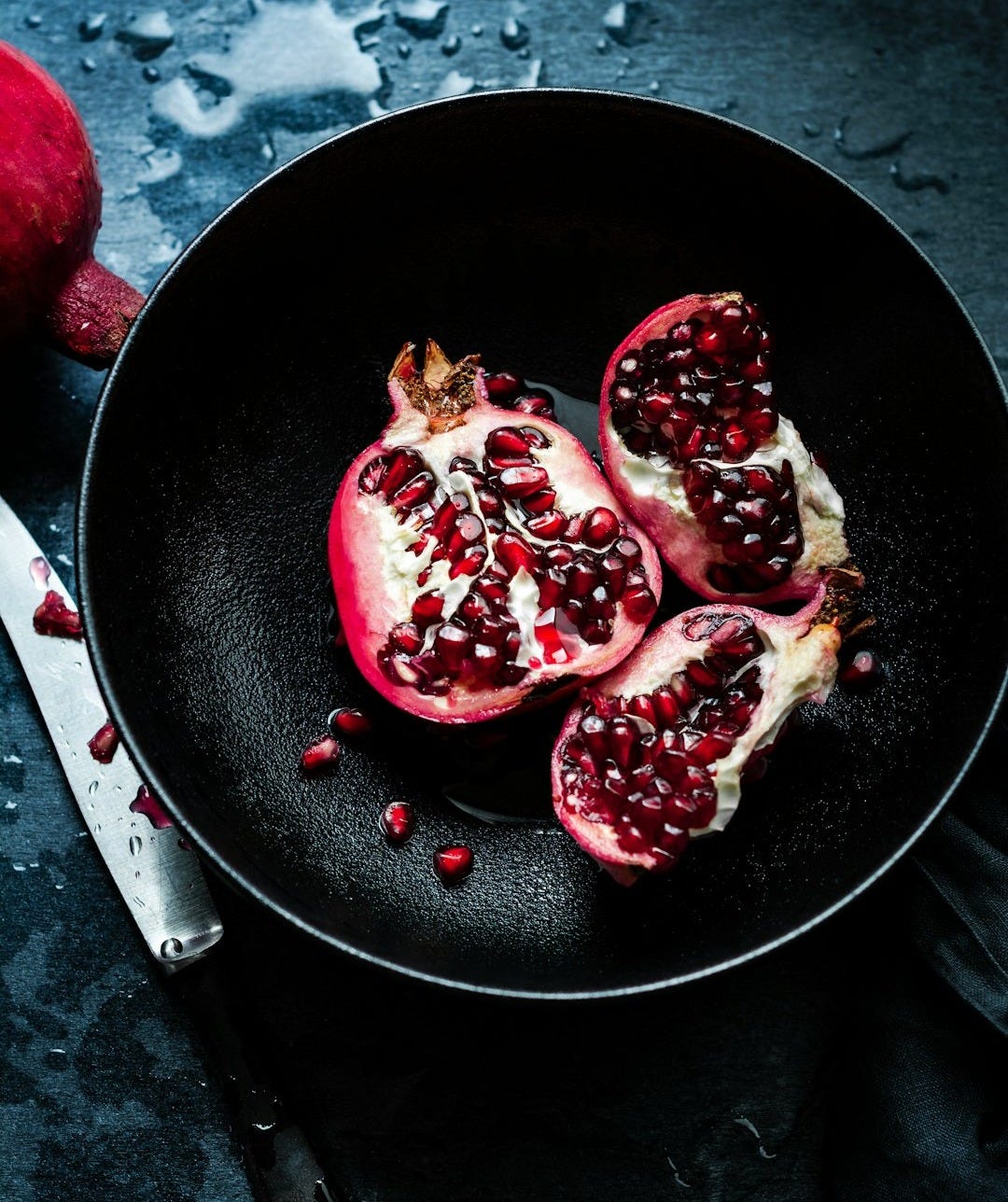
Red foods and drinks have long been associated with passion, heat, and love — from beets, cherries, cranberries, strawberries, and pomegranates to pomegranate juice, red wine, tomato juice, and ruby-colored sparkling drinks.
Pomegranates, with their abundance of seeds, have historically symbolized fertility.
Asparagus has long been considered an aphrodisiac because of its (ahem!) shape; in 19th-century France, bridegrooms were even required to eat several courses for its reputed powers.
Texture and Taste
Thick, lingering textures invite sensuality — agave nectar, derived from a cactus-like plant native to Mexico, oozes a sweet syrup that encourages savoring.
The romantic appeal of champagne seems to come less from alcohol and more from the feel of bubbles in the mouth, making sparkling juices and sparkling sodas ideal alternatives — especially without alcohol, which can hinder libido.
The succulence of apricots, mangoes, peaches, and tomatoes (the original “love apples”) earns them a place among sensual foods.
Heat and Spice
Add spices to sweet or savory dishes by incorporating chili powder into hot cocoa, melting chili-laced chocolate into nondairy milk, or adding spice directly to cake batter (see my Mexican Chocolate Cake below). Cayenne, chipotle, and chili powder add warmth and intensity.
Serve foods and beverages hot — soups, stews, tea, coffee, cocoa, mulled wine, or cider — to warm the body from the inside out and increase circulation.
Combine temperature heat and spice heat for a fuller, more stimulating sensory experience.
Aromas and Sounds
Create atmosphere through scent: floral (rose or orange blossom), sweet (cinnamon in cocoa or cider), or earthy (clove, cardamom, bergamot).
Use warm foods and drinks to amplify aroma; hot beverages, simmering spices, and baked goods naturally release scents that engage the senses.
Use botanicals with distinctive, lingering aromas. Damiana (often enjoyed as a tea or liqueur) and aniseed or licorice release warm, lingering scents and flavors that engage the senses long before the first sip.
Enhance the mood with sound — music, the crackling of a fire, or simply the sound of your beloved’s voice.
For thousands of years, various plant foods have been eaten for their “aphrodisiac qualities,” inspired by their internal effects or by their sensory characteristics — how they look, taste, sound, feel, and smell.
Separating Science from Folklore

While more research is needed to fully separate fact from folklore, there is solid evidence that certain foods can influence desire and pleasure through measurable effects on blood flow, circulation, and neurochemistry. With that in mind, let’s look at some of the foods for which there is the strongest evidence.
Foods with Evidence-Based Aphrodisiac Effects
Capsaicin — the compound that gives chili peppers their heat — dilates blood vessels, increases circulation, raises body temperature, and triggers endorphin release.
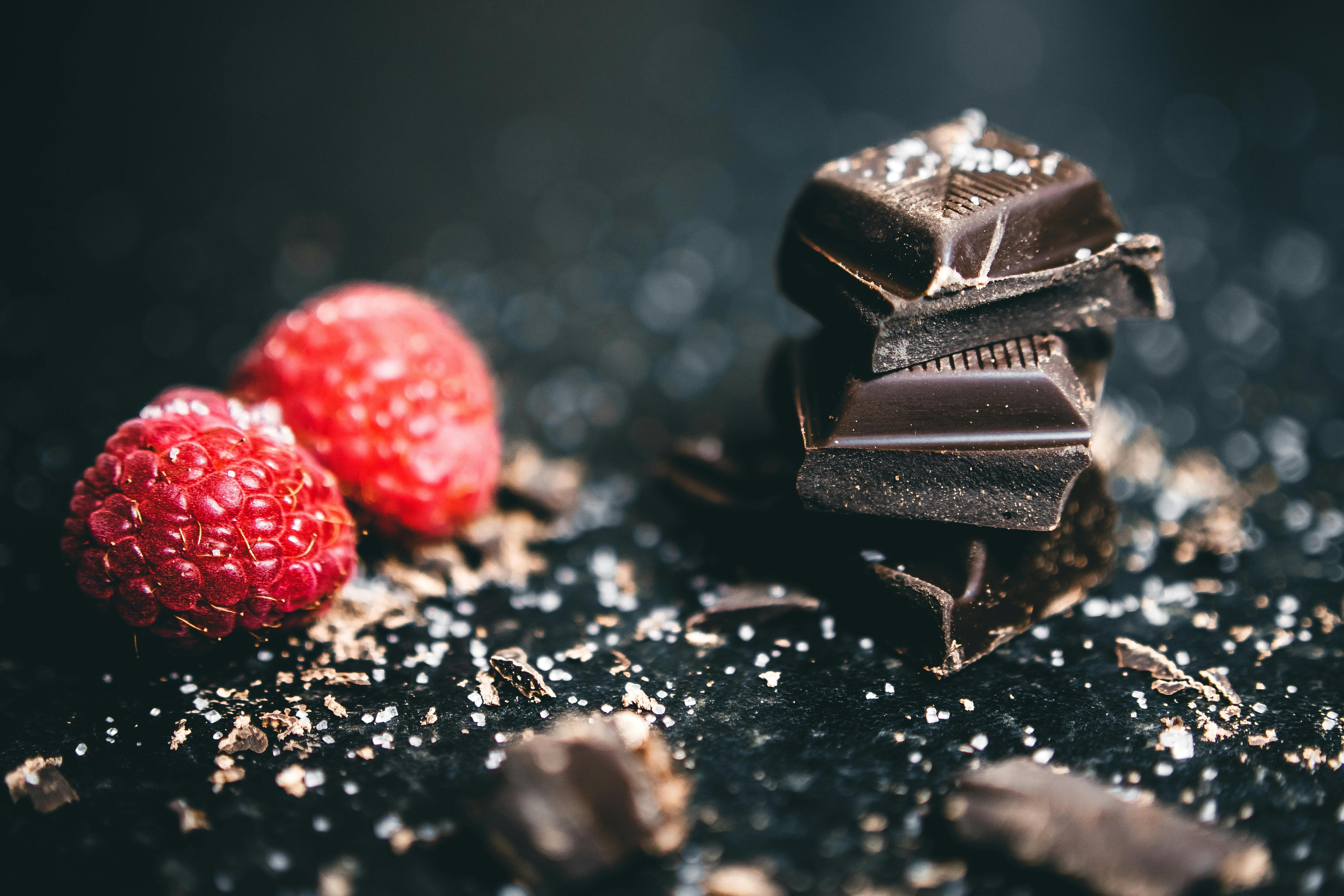
Chocolate: Chocolate contains phenylethylamine, theobromine, and anandamide — compounds linked to pleasure, mood elevation, and the same brain pathways activated when we’re in love.
Ginseng (especially Korean ginseng): Clinical studies show ginseng can improve sexual desire and arousal in both men and women, largely by increasing nitric oxide and blood flow to sexual organs.
Saffron: Human studies suggest saffron may improve arousal, lubrication, and erectile function, likely through effects on serotonin and circulation — making it one of the most scientifically supported plant aphrodisiacs.
Caffeine and heat: Caffeine increases circulation and alertness, while heat enhances blood flow. Hot beverages work less as aphrodisiacs on their own and more as physiological and sensory enhancers.
Expanding Our Hearts
Our heart, the symbol of this romantic holiday, is the organ most likely to suffer the most from our indulgent food choices, affecting our intimate relationships in very real, tangible ways. Decades of research indicates that diabetes, heart disease, certain types of cancer, and decreased libido are strongly linked to an animal-based diet; after all, animal products constrict the blood vessels, whereas plant foods do not.
Delicious, sensual recipes abound that satisfy our spirits, nurture our bodies, and delight our palates. I truly can’t think of a better Valentine to give to our loved ones than to serve food that heals rather than harms, food that is life-giving rather than life-threatening or life-taking, food born of compassion rather than violence. When our daily choices reflect our deepest values, our hearts open wider.
How’s that for an aphrodisiac?
I truly can’t think of a better Valentine to give to our loved ones than to serve food that heals rather than harms, food that is life-giving rather than life-threatening or life-taking, food born of compassion rather than violence.
Menus and Recipes for Romance
When creating a menu for romance, the idea is to excite – not overload or dull – the senses. Overeating and excessive alcohol may leave you lethargic rather than libidinous, and even the most sensuous food or beverage can backfire in excess. In addition to my Recipes for Romance Ebook and dozens of recipes in my previous cookbooks, here are some general tips.
A soup — such as a Spicy Red Bell Pepper Soup — is the perfect way to start a romantic meal because it starts to heat things up through its temperature as well as its spiciness; or beet-based soup such as borscht, which boasts a beautiful red color, evocative of passion.
For a main or side dish, you can make heart shapes using a cookie cutter. Polenta is perfect for this and serves perfectly as a focal point on the plate.
You can carry the heart theme even further by featuring hearts of palm, hearts of celery, romaine hearts, or artichoke hearts.
Asparagus, as I mentioned above, has been long praised as an aphrodisiac food and is a great side dish for the heart-shaped polenta.
And of course, you can never go wrong ending with chocolate (see my recipe below for Mexican Chocolate Cake).
Mexican Chocolate Cake with Chocolate Cinnamon Frosting
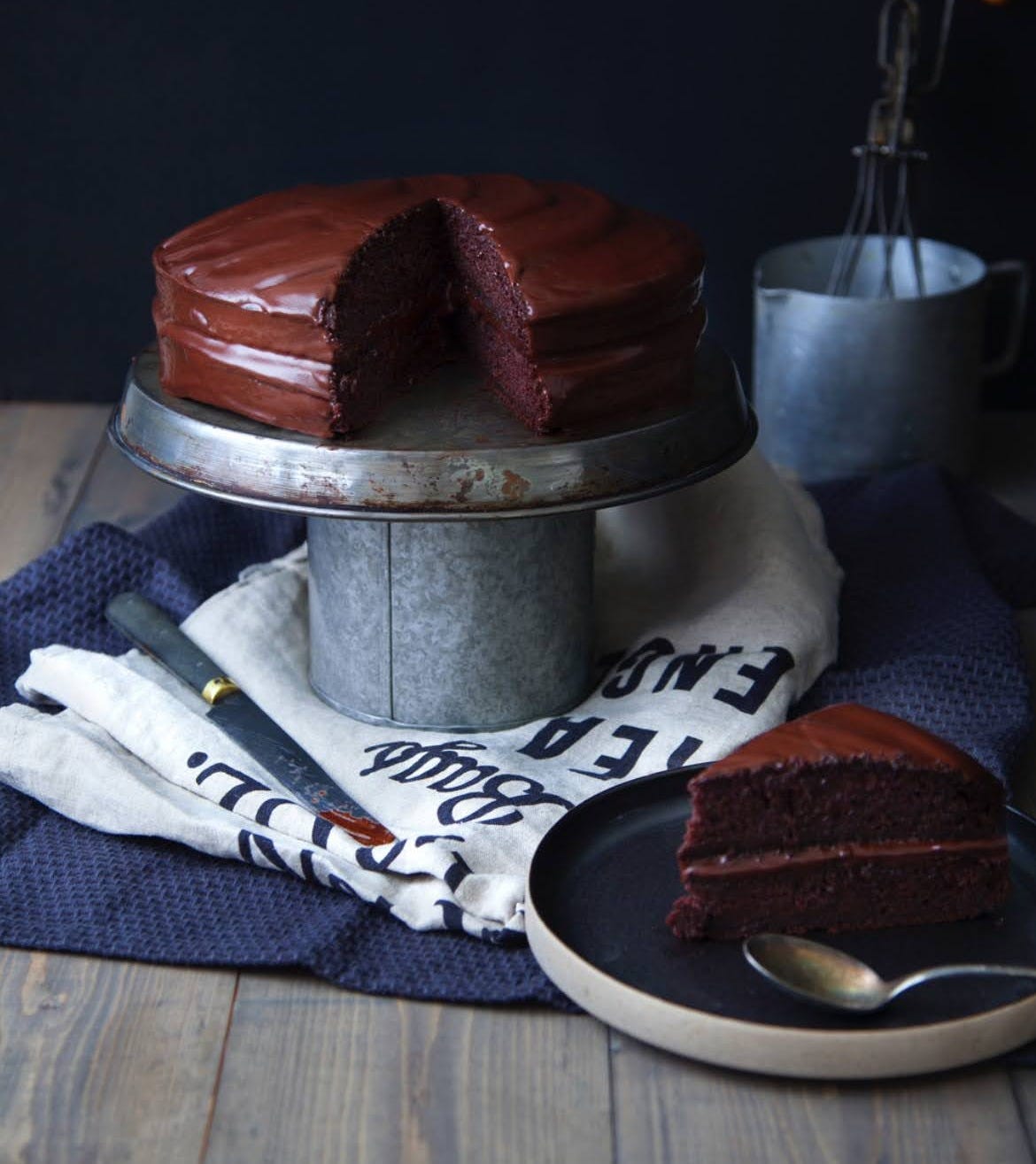
The “Mexican Chocolate” aspect of this cake has to do with the combination of the spicy cayenne pepper and sweet cinnamon. Pair with a non-dairy vanilla ice cream, and book a flight to heaven. (Reprinted with permission from The 30-Day Vegan Challenge.)
Ingredients
2-1/4 cups all-purpose flour
½ cup unsweetened cocoa powder
1-1/2 teaspoons baking soda
½ teaspoon cayenne pepper
1 teaspoon cinnamon
½ teaspoon salt
¾ cup granulated sugar
1 cup unsweetened applesauce
¾ cup vegetable oil
1 tablespoon vanilla extract
1-1/2 cups nondairy milk (soy, rice, almond, oat, hazelnut, coconut, or hemp)
2 tablespoons apple cider or white vinegar (not balsamic!)
Directions
Preheat the oven to 350 degrees F.
Lightly oil two 8-inch (round or square) cake pans, or prepare cupcake/muffin tins with paper liners or silicon cups.
In a large mixing bowl, combine the flour, cocoa powder, baking soda, cayenne pepper, cinnamon, salt, and sugar.
In a separate bowl, beat together the applesauce, oil, vanilla extract, milk, and vinegar. Add the wet mixture to the dry ingredients, and mix until everything is thoroughly combined. It will be a bit of a thick batter.
Pour the batter into the baking pans or cupcake/muffin tins, and bake for 20 to 30 minutes (less time for cupcakes – between 15 and 17 minutes), or until the cake comes away from the sides of the pans and a toothpick inserted into the center comes out clean. (Every oven is different!)
Chocolate Cinnamon Frosting
Ingredients
1/2 cup nondairy butter, somewhat softened
2 cups powdered (confectioner’s) sugar, sifted
1/3 cup unsweetened cocoa
1 teaspoon cinnamon
¼ teaspoon cayenne pepper
1 teaspoon vanilla extract
3 to 4 tablespoons nondairy milk
Although it can be done by hand, it’s easier to mix using an electric hand mixer.
Cream together all the ingredients on low speed until smooth. Increase the speed once all the ingredients are combined, and you don’t risk powdered sugar flying everywhere. Increase the speed even more until the frosting is light and fluffy (about 3 minutes).
Add an additional l or 2 tablespoons of milk, if necessary. Lick the spoon, and frost your cake!
Yield: Enough for one layer cake or 18 cupcakes.
Additional Resources
👉 Connect with me 1:1 – Get personalized guidance whatever you are looking for.
👉 Read A Year of Compassion – Daily inspiration to help you live with intention, kindness, and clarity.
👉 Travel with me! I host animal-friendly, luxury, all-inclusive vegan trips around the world, specifically curated to ensure high-quality, high-touch premium experiences. Check out our upcoming trips, and let me know if you have any questions.
👉 Check out my Recipe E-Books and my library of On-Demand Cooking Classes for recipes.
Let me know what your favorite romantic meals consist of! And Happy Valentine’s Day!