


Think you have to travel far for a wildlife adventure? Think again. Some of the most fascinating animals—skunks, songbirds, opossums, deer—are living right outside your door. I’ll show you how to turn your own backyard into a mini wildlife safari, and why the choices you make at home matter more than you might think. Read on for practical tips, applicable inspiration, and a new appreciation for the wild neighbors who share our world.
Read all of the articles in the series, Rewilding Your Yard for Wildlife and Biodiversity.
Wildlife Near and Far
I’ve had the privilege of visiting Rwanda several times to see the mountain gorillas who live only in the Virunga Mountains of eastern Africa.
I’ve been fortunate enough to see lions, elephants, giraffes, hippos, zebras, and impalas on the open savannas of Botswana.
I’ve also had the honor of seeing red-shanked langur monkeys in Vietnam, baboons in Zimbabwe, American bison in Yellowstone National Park, and black bears in Yosemite—all in their wild homes.
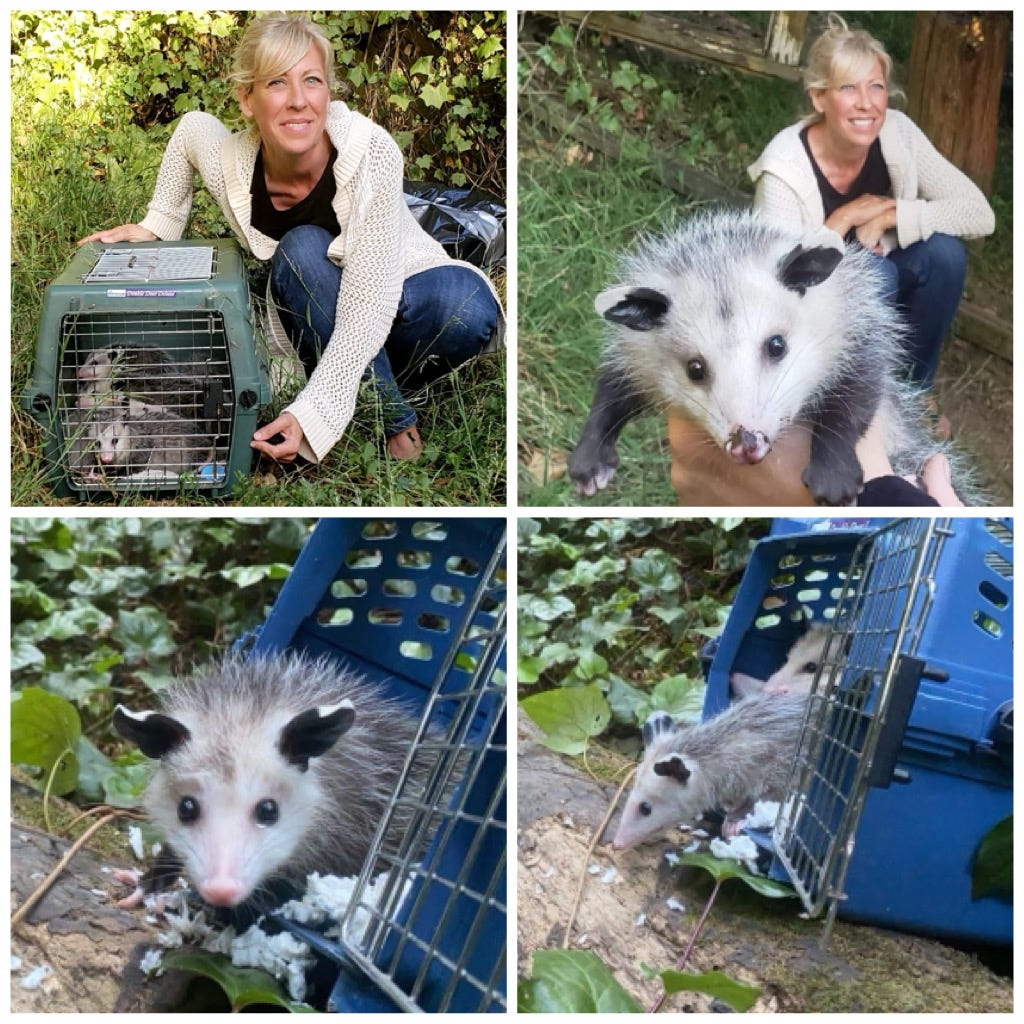
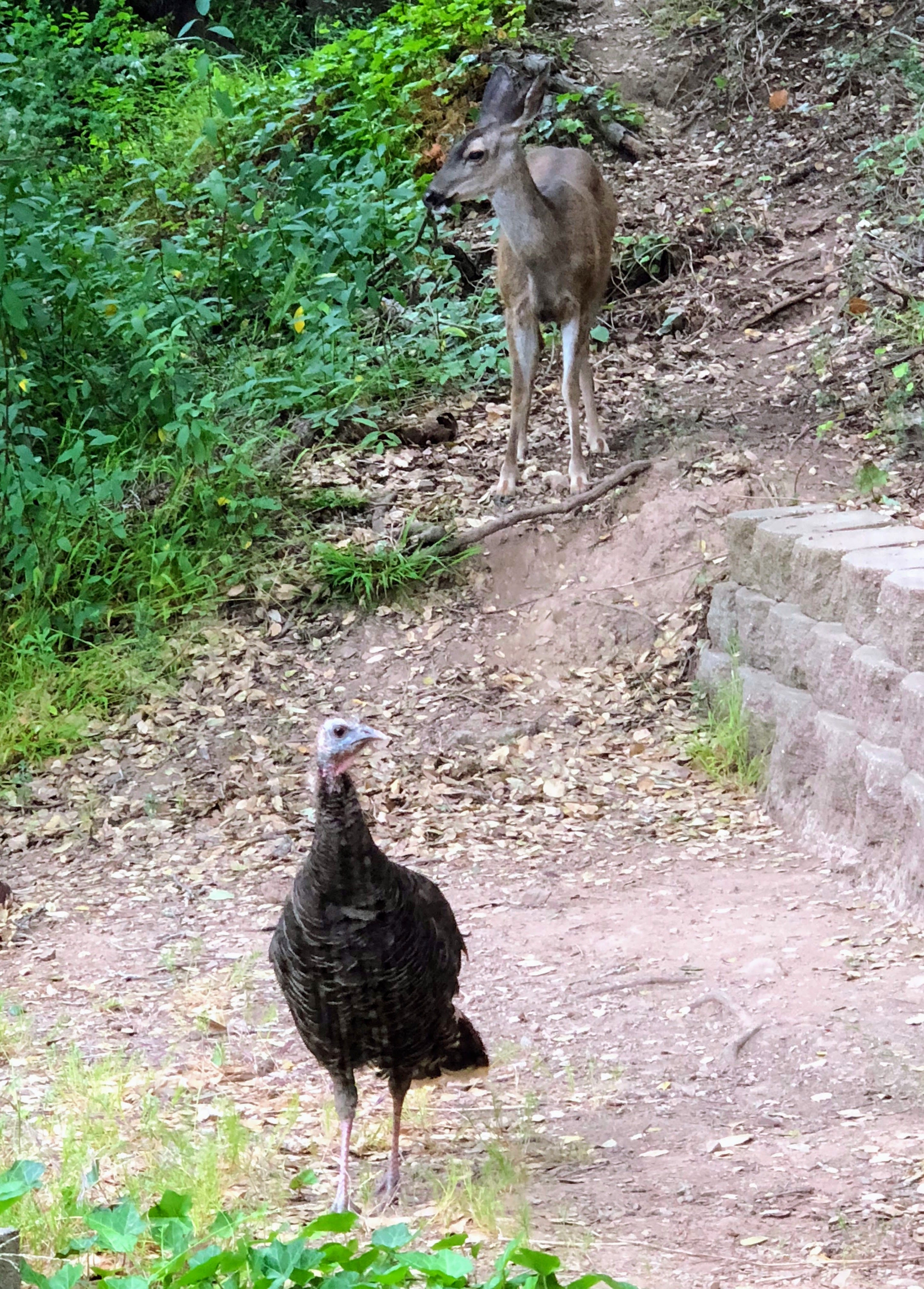
Even though I’ve traveled hundreds or thousands of miles to see these incredible animals in their native habitat, my thoughts often turn to the ones living right outside my door in Oakland, California—the so-called “mundane” creatures often dismissed as pests: squirrels, opossums, raccoons, skunks, deer, foxes, coyotes, crows, and scrub jays.
We travel great distances and spend good money to observe and photograph “exotic” animals roaming free in faraway landscapes, while the wildlife at our own doorsteps is too often ignored—or even eradicated—for the sake of human comfort and convenience.
It’s not that the animals elsewhere don’t face serious threats—elephants in Botswana can be legally hunted, many species in South Africa are illegally poached, and habitat loss gravely threatens the monkeys of Vietnam, as well as thousands of species across the globe.
Even here in the United States, wild animals are under constant threat—especially if the administration makes good on its promises to expand fossil fuel use, construct oil pipelines, weaken the Endangered Species Act, relax laws to favor ranchers over wildlife, and build border barriers that disrupt the lives and migratory patterns of native species.
And still, I have hope.
Eco-tourism dollars do help protect vulnerable species worldwide, and global coalitions are increasingly committed to prioritizing biodiversity. Of course, I consistently reach out to my federal and state representatives to urge them to pass laws that protect animals and oppose those that harm them.
But the thing that gives me the most hope is what I can do for the animals right in my own backyard—the kinds of actions that so often get overlooked when our attention is fixed on national or global politics.
I have hope because I put my energy into what I can change, rather than on what I can’t. I look for solutions right in front of me—locally and hyper-locally, right in my own backyard—where our everyday choices truly matter and where we can actually see the impact we make, especially for the wild animals who live among us.
Helping Our Wild Neighbors
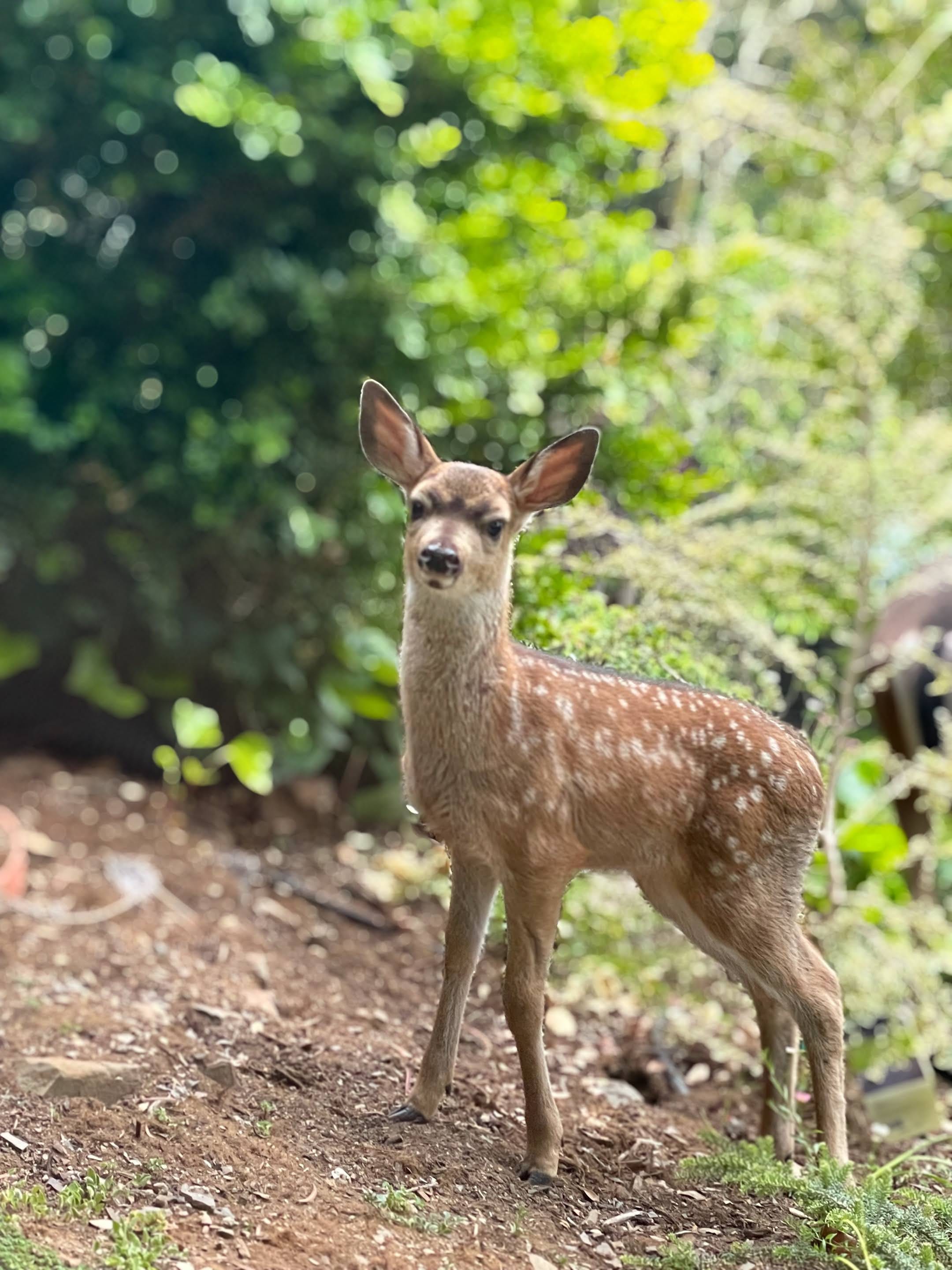
The wild animals we live among are part of our communities; they’re neighbors, residents, and contributors—not outsiders or intruders. Our treatment of them is a harbinger of our larger environmental destiny. If we can’t attend to the animals in our own backyards, gardens, neighborhoods, and parks, the long-term chances for biological diversity elsewhere are bleak.
Every animal whose space we share—from the diurnal deer, squirrels, bees, and birds to the nocturnal foxes, skunks, rats, raccoons, mountain lions, and opossums—faces daily challenges to their survival:
noisy leaf-blowers and unleashed dogs
speeding cars and light pollution
rampant habitat loss
fences that inhibit their ability to travel freely in search of food, water, or shelter
Biological diversity is declining at alarming rates, and since the underlying cause is easy to identify (human behavior) the underlying solutions are equally apparent.
A few changes can make all the difference. We can:
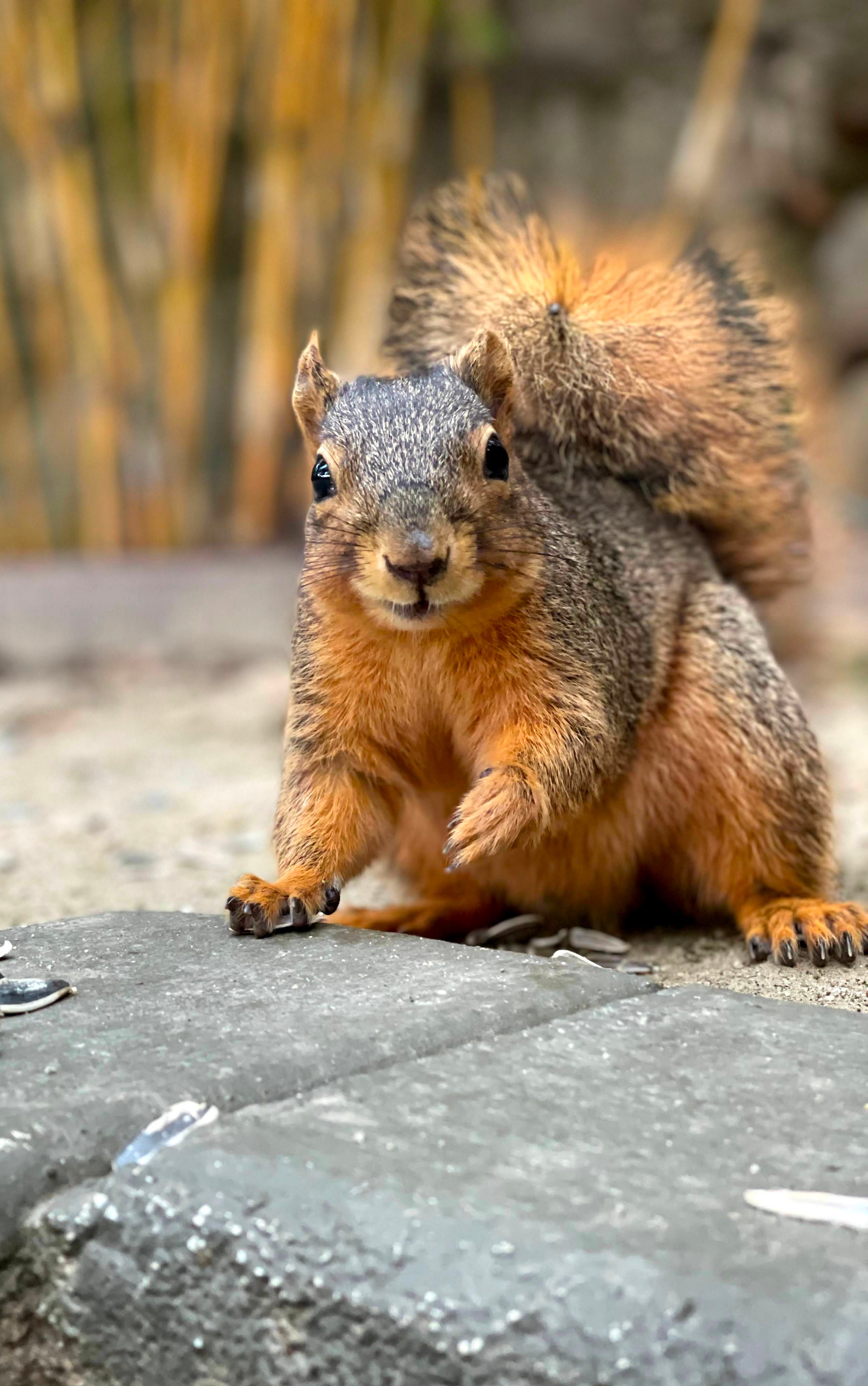
Give herbivores a break.
Newly planted trees and shrubs are often browsed by deer, but protecting young plants for the first few years gives them a chance to establish. Once mature, they can usually handle a little nibbling without harm.
Stop using netting to protect young trees.
Netting can trap and harm wildlife. Instead, use chicken wire around trunks to keep deer and other animals at bay without endangering birds or small mammals.
Stop poisoning rats.
If not because there are more humane ways to deal with uninvited critters, then because rat poison harms everyone in the food web.
Remove unnecessary fences to create wildlife corridors.
If you don’t need a fence, consider removing it—especially in areas where deer or other larger animals need space to move. Unfenced yards allow wildlife to travel, find food, and connect habitats safely.
Everyday choices like these matter, inviting us to notice and appreciate the rich tapestry of life thriving all around us. We don’t have to travel to distant lands to witness remarkable wildlife—extraordinary animals are right here, if only we take the time to look.
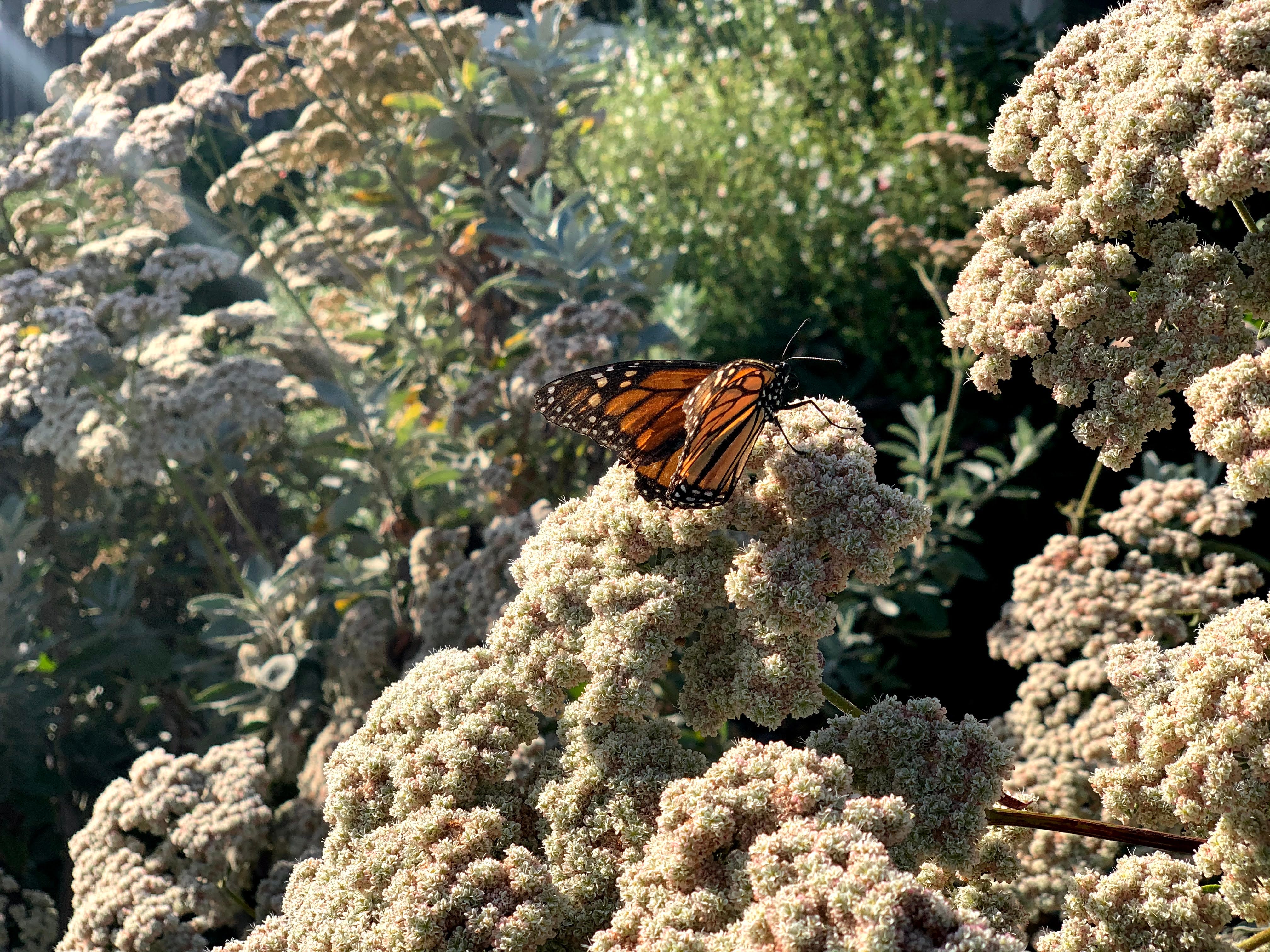
Plant native landscapes instead of non-native, ornamental ones.
Native animals and insects depend on the plants they’ve co-evolved with for food, shelter, and reproduction. When we fill our yards with exotic or ornamental plants, we disrupt this relationship—making it harder for wildlife to thrive. Choosing native plants helps restore balance and supports the animals who rely on them.
Creating Your Own Backyard Wildlife Safari
By embracing the mindset of an urban or suburban safari-adventurer, we discover how much there is to cherish, protect, and enjoy right where we are.
Photograph Your Wild Neighbors: Treat every squirrel, opossum, or hawk sighting as photo-worthy. Snap pictures and build a “local wildlife” album.
Enter Photo Contests: Submit your best urban or suburban wildlife shots to local magazines or conservation organizations.
Share the Wonder: Post your wildlife photos on neighborhood listservs or social media to inspire curiosity and appreciation among your community.
Join or Host a Wildlife Spotting Party: Invite friends, neighbors, or family for a backyard or park “safari”—binoculars and cameras encouraged.
Hike with Purpose: Take regular nature walks or hikes in local parks with the goal of spotting, identifying, and appreciating native species.
Bring Students Along: Invite children, students, or youth groups to explore with you and learn about local wildlife firsthand.
Get a Guidebook: Invest in a field guide specific to your region to help you identify local birds, mammals, reptiles, and insects.
Track and Record Sightings: Start a nature journal, use an app like iNaturalist, Picture This, or Merlin, or keep a simple log of the animals you spot in your neighborhood.
Set Up a Wildlife Cam: Place a motion-activated camera in your yard to catch nocturnal visitors you might otherwise miss.
Connect with Local Experts: Join nature walks led by local wildlife biologists, naturalists, or Audubon chapters.
Host a Backyard “BioBlitz”: Organize a day where friends and neighbors count as many species as they can find in your yard or local park.
Provide Habitat: Plant native species, create water sources, and install birdhouses or pollinator hotels to encourage even more wildlife visitors.
I’m often asked if I think we really can make a difference in this world, and my answer is no. I don’t think we can make a difference. I know that we do make a difference.
Every action we take, every product we buy, every item we eat — everything we do has an impact on someone or something else. We don’t get to choose whether we can make a difference or not. We get to choose only if the difference we inevitably make is negative or positive.
Those are our only two options. There are no neutral actions.
That gives me hope—and I hope it gives you hope, too.
More Ways to Help
👉 Read A Year of Compassion: 52 Weeks of Living Zero-Waste, Plant-Based, and Cruelty-Free, empowering and inspiring readers with 52 impactful, effective actions to create the compassionate world we all imagine for humankind, animalkind, and the ecosystems we all depend on.
👉 Subscribe to this Substack and enjoy inspiring articles on how you can help, including my series on Rewilding Your Yard for Wildlife and Biodiversity.
👉 Work with me 1:1 – Get personalized guidance to build more compassionate habits, cultivate self-compassion, communicate with conviction, strengthen emotional resilience, cook with confidence, or whatever you are looking for.
👉 Travel with me! The travel I mention above is part of the animal-friendly, all-inclusive, sustainable, vegan trips I host around the world, specifically curated to ensure high-quality, high-touch premium experiences. Check out our upcoming trips, and let me know if you have any questions. Thank you for checking the box COLLEEN PATRICK-GOUDREAU when indicating how you heard about the trips!
I’d love to know what kinds of things you are doing for wildlife in your area!

Thanks for the close on this one Colleen. It's important to be reminded we do make a difference!