


Thank you for clicking the heart ❤️ at the top or bottom of this post, which helps others discover this publication! 🙏
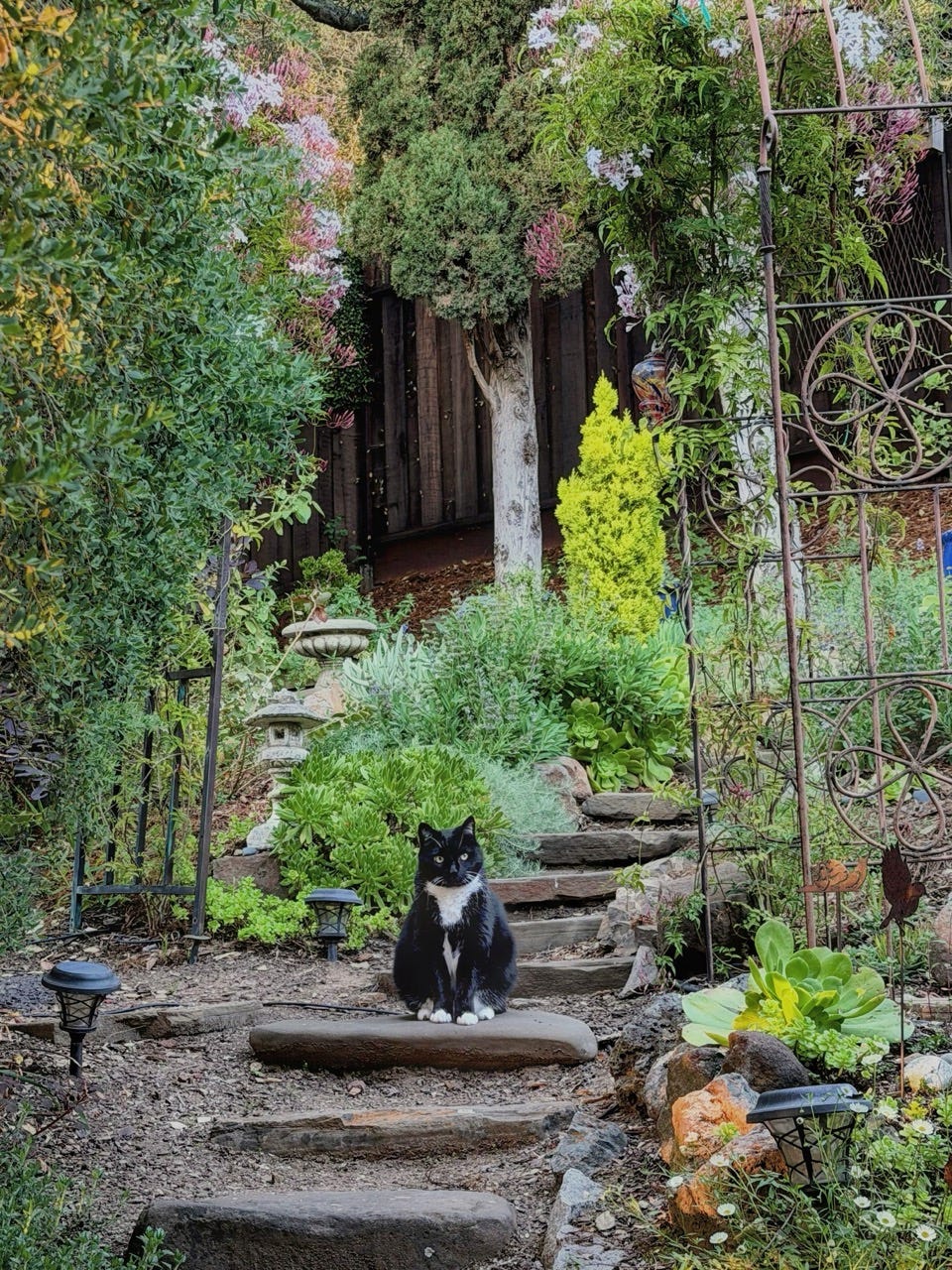
While losing my father has naturally brought death to the forefront of my mind, the truth is that reflecting on mortality is something I practice daily to stay grounded in the present. So, while this topic certainly feels timely, it’s not new for me—I actually recorded a podcast episode on this years ago. It simply felt like the right moment to revisit, update, and adapt those thoughts into an article for you here.
Philosophers, artists, and musicians from ancient times to today have been reminding us that we will die—not to depress us, but to inspire us to live the most fulfilling life possible and to feel the most alive while we’re here. One way to appreciate life more is to remember that we will die: memento mori, so goes the Latin phrase.
Remember that you will die.
Because this truth is always with me, I have made sure that we have concrete plans in place for the inevitable. When I say "plans," I mean the foundational legal documents—a will, living will, trust, durable power of attorney, and healthcare directive—as well as explicit arrangements for our beloved cat in an emergency or upon our deaths.
(I’m even currently working on the design of our gravestone.)
Today, we’re going to focus not just on planning for our own mortality in general, but specifically on the practical, compassionate steps to guarantee the companion animals in our care are protected if we should die before them.
Why Estate Planning is an Act of Love
I know a lot of people are generally reluctant to talk about end-of-life planning. Not only do many find the topic morbid, but it’s also easy to fall into the mindset of, "Well, I’ll be dead, so what difference does it make?"
But when it comes to any assets we might possess—a house, a car, a bank account, or cherished family heirlooms—it matters deeply. Having a plan allows us to allocate our hard-earned assets according to our values, whether that means gifting them to loved ones or supporting charitable organizations. More than that, leaving clear instructions is an incredible gift of clarity and relief for our survivors during an already emotional time.
The number of friends I talk to who don’t have a will, a trust, a living will, or a health directive in place astonishes me. If you don’t have one either, perhaps you’re thinking, “Well, I’m not Rockefeller. I don’t have much to give, so what’s the point in spending money now to divide up money I may or may not have once I’m dead?”
My response to that is simple:
Would you want complete strangers deciding how your money is spent while you’re alive? Of course not. So why allow that to happen after you’re gone? You don’t have to be Rockefeller to care about where your hard-earned money goes, and ensuring your assets are allocated according to your values is simply smart planning—regardless of the size of your bank account.
More than that, leaving clear instructions is an absolute gift to your surviving family members or whomever is tasked with managing your estate. Having clarity about your wishes provides immense relief during an already painful and emotional time. Anyone who has ever had to settle a loved one’s estate knows just how overwhelming that burden can be without a roadmap.
Finally, if your assets aren’t protected in a trust, everything you worked for goes straight into probate. That means court officials and strangers end up making decisions about your property, your money, and even your animals. It’s the last outcome any of us would choose, yet so few of us take the necessary steps to put our plans in writing before it’s too late.
I cannot stress this strongly enough: having a will, a trust, a health directive, a durable power of attorney, and clear end-of-life wishes in writing is essential for everyone. But today, I want to zero in on one critical piece of that puzzle—making sure plans are in place for our furry, finned, and feathered companion animals if we pass away before they do.
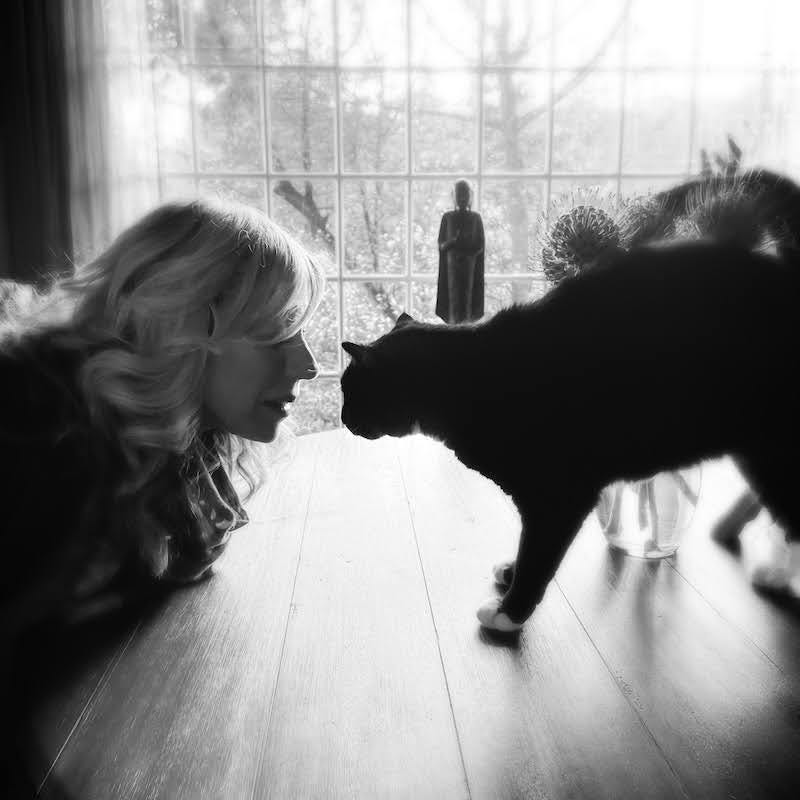
The Legal Status of Companion Animals
If you are reading this, my guess is that you consider your dogs, cats, birds, bunnies, or iguanas to be a part of your family, and you want to make sure they’re taken care of after you’re gone. If you really want to make sure that happens, you need to make a plan and put it in writing.
Why? Because in the eyes of the law, animals or pets (to use the legal vernacular) are considered property, and you cannot use your will to leave property directly to another piece of property.
For instance, I can’t write in a will that I want Michiko to get my house after I die so that the sale of the house will pay for her care. Nope. She’s considered property under the law, so it’s like saying I want to leave my house to my car. It will have no standing in court once I die, and my cat would be seized by probate court and most likely sent to a shelter unless I have plans in place for her.
While you can’t leave property or money directly to an animal, you can name a guardian or guardians for them and their care, leave money to that person (or organization), or set up a Pet Trust with a trustee to oversee the distribution of funds.
Step 1: Decide Who Will Care for Your Animals
Start by talking to loved ones who already know and care for your animals. My husband David and I have good friends, Amanda and Devin, who have agreed to care for Michiko if we both die—and we’ve agreed to do the same for their cats. Whenever we travel, I check in with them to make sure we’re still on the same page.
While it seems obvious that a surviving spouse would care for a widowed animal, working in rescue has taught me that even this can go awry. I’ve seen surviving spouses surrender animals simply because they viewed them as “their partner’s pet.” Don’t assume—have an explicit conversation with your partner.
From there, expand your circle:
Secure a Plan B: Always name a secondary guardian in case your primary choice’s life circumstances change.
Communicate the Plan: Let other friends and family members know who the designated guardians are to avoid confusion, panic, or conflict during a crisis.
Consider Individual Needs: If you have multiple companion animals, decide whether they should stay together or if separate homes better suit their unique bonds and needs.
Organizational Safety Nets: Rescue Commitments & Legacy Programs
If you don’t have an individual in your personal life who can step in as a guardian, or if you want an extra layer of protection, you can turn to rescue organizations in two key ways:
1. Check Your Original Adoption Agreements
If you adopted your companion animal from a rescue group or shelter, go back and review your adoption contract. Many reputable rescues include a clause requiring—or warmly offering—that the animal be returned to their care if you pass away or are no longer able to look after them. Knowing this policy ahead of time gives you an immediate, reliable safety net, and you can document this contract in your estate paperwork so your executor knows exactly who to contact.
However, your family or executor won't know this clause exists unless you tell them. Be sure to keep a copy of your adoption contract in your legal planning binder alongside a simple cover sheet outlining these instructions. It is also vital to keep your companion animal’s microchip contact information up to date with both your current details and those of your designated alternate guardian or rescue safety net. That way, if a crisis occurs, everyone—from your executor to a local shelter—knows exactly who to contact.
2. Enroll in a Rescue Legacy Program
If returning to an original rescue isn’t an option and you have no individual guardian, look into local rescue organizations that offer formal legacy programs. For example, organizations like Cat Town in Oakland, CA have legacy programs (such as their Legacy of Love program) where you can arrange in advance for the organization to step in upon your passing. They will take custody of your animals, place them in foster care, and dedicate their resources to finding them a loving, permanent home. You can name these organizations in your estate plan and leave a bequest or donation in your will to cover the ongoing costs of your animals’ care.
Step 2: Create a Detailed Care Sheet
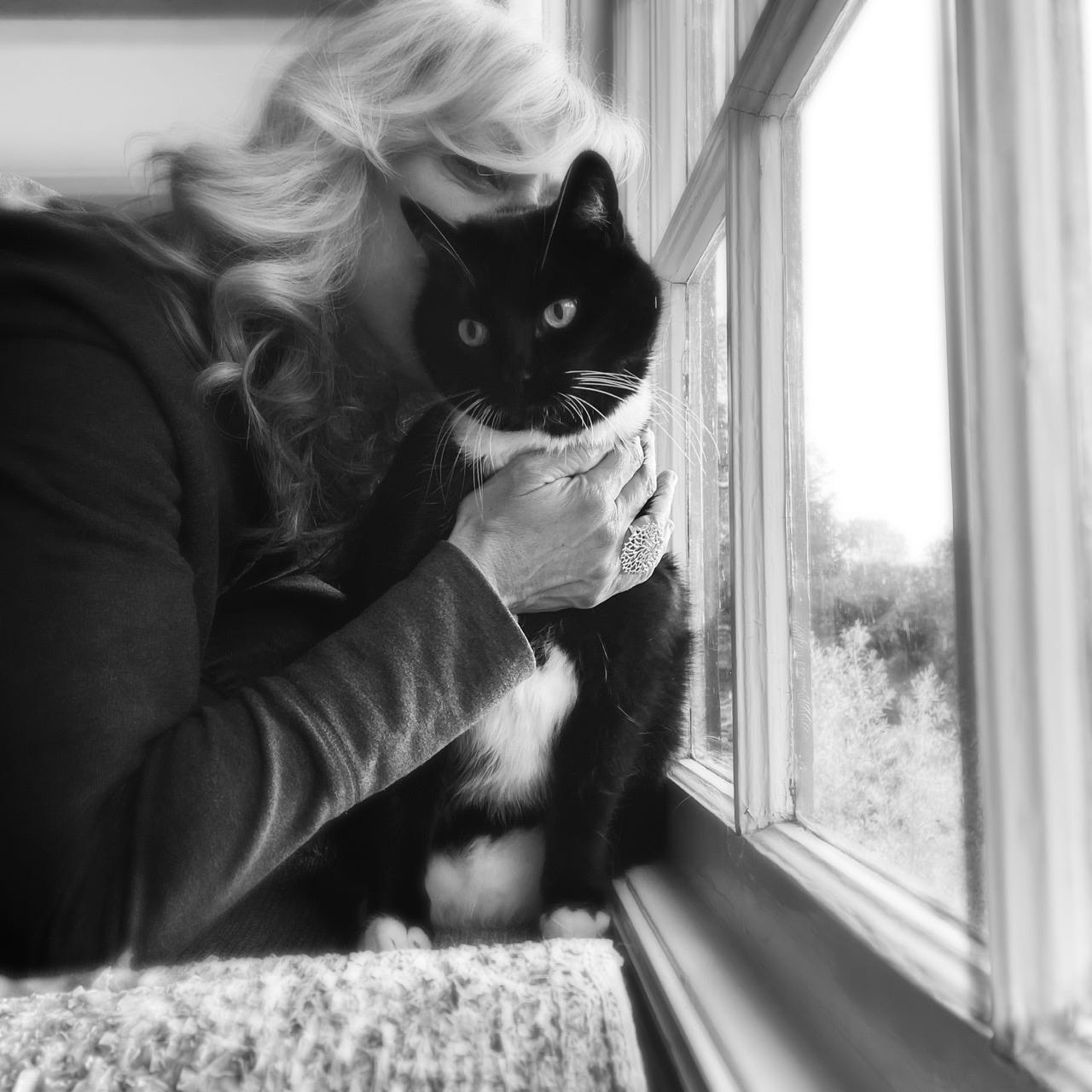
You probably already have instructions written out if you ever use sitters—what type of food they eat, favorite toys, allergies, vet information, pet insurance logins, and medical records.
We keep a Google Doc that I update all the time. It was created for our cat-sitters when we travel, but it is also shared with Amanda and Devin (our guardians) and David’s sister (our trustee and executor).
I’ve joked in the past about how detailed my information sheet is—my cat sitters have 10 pages of instructions! But details about what toys Michiko loves, how she prefers to play, and nuances about her personality, preferences, likes, and dislikes are incredibly helpful to give to the people who will take care of your companion animals if you die.
Keep it updated.
Step 3: Allocate Funds for Their Care
Once you know who will care for your animals, you need to decide how to support them financially. There are two main legal mechanisms for this:
Option 1: Direct Allocation in Your Main Trust/Will
As you set up your will and trust, you decide on an amount of money from your estate to be given directly to the guardians upon your death.
When deciding how much to leave, consider the animal’s life expectancy, routine expenses, and likelihood of developing health issues. We crunched some numbers based on our senior cat and overestimated a bit just to be safe. We want to make it as easy as possible for our friends to care for our kitty without feeling financially burdened.
In this scenario, you are trusting that the caregivers will use the money provided to care for your animals. It acts essentially as a direct gift tied to a mutual agreement.
Option 2: A Formal Pet Trust
A Pet Trust is a formal arrangement where set-aside money has a legally binding obligation to be used only for your animals’ benefit.
In this case, you designate a “trust protector” or trustee (someone other than the caregiver) to oversee the trust. The trustee makes regular payments to the caregiver for the animal’s expenses on the condition that the animal is being properly cared for. Any money remaining in the trust after the last animal passes away can then be distributed to your chosen charities or left to the caregivers.
While a Pet Trust offers strict legal oversight, it is more complex, carries administrative costs, and requires finding a reliable trustee or third-party management organization. If you want to create a simple pet bequest on your own, tools like Nolo’s Quicken WillMaker & Trust make it easy to include pet care clauses.
Alternatively, if you need a referral for an estate attorney, feel free to send me a private message here on Substack. While he is in Oakland, CA, I believe he also works with clients remotely.
The Risk of Doing Nothing
If you have a will but it doesn’t mention your companion animals, your animals may automatically go to your residuary beneficiary—the person named to receive whatever is left of your estate. If you haven’t talked to that person and they suddenly inherit five cats, a parrot, or a dog, they may be unable or unwilling to care for them due to allergies, housing restrictions, or finances. This is one of the most common ways beloved animals end up in crowded shelters.
If you die without any will at all, local probate courts will appoint an executor to handle your estate, and your animals will be treated strictly as physical assets to be disposed of—frequently resulting in shelter surrender.
While city, county, and private shelters perform vital, life-saving work for our communities, none of us want our companion animals to suffer that shock and trauma after losing us.
Making these plans today is a gift to your human loved ones and a deep act of love and commitment to the animals who share your life.

Speaking of Being Prepared…
Even with a nutrient-rich plant-based diet, we can thrive even more with thoughtful support. That’s where Complement comes in, I take Complement Essential as my daily multivitamin for B12, D3, iodine, zinc, and magnesium; Omega Complex for essential fats; and as part of my strength-training and muscle-building routine, I fuel up with their clean Organic Protein. With Complement and my nutrient-rich diet, I have everything I need to fuel my body, support my strength, and thrive so I can do my work in the world for animals — both human and non-human.
Complement your diet and and get 15% off everything you order—every time you order—using THIS LINK and the code: JOYFULVEGAN.
You might also like…
👉 Connect with me 1:1 – Get personalized guidance whatever you are looking for. (One one-on-one connection is also a perk of the Founding Member/VIP level here on Substack.)
👉 Read A Year of Compassion – Daily inspiration to help you live with intention, kindness, and clarity.
👉 Check out my Recipe E-Books and my library of On-Demand Cooking Classes for recipes.
👉 Travel the World Vegan Style! I’ve partnered with World Vegan Travel to bring you the best in luxury, all-inclusive vegan trips around the globe. Whether I am personally hosting or not, every itinerary is curated for a high-quality, premium experience. Check out upcoming trips, and please remember when booking any trip to mention you heard about them from COLLEEN PATRICK-GOUDREAU. 😊
OMG!!! So much I didn't know! Thank you!