


Thank you for subscribing! I would be so grateful if you would hit the ❤️ at the top or bottom of this post, share, and comment. It lets me know you’re there and helps other people find us! 🙏 HAPPY READING (and slurping)!
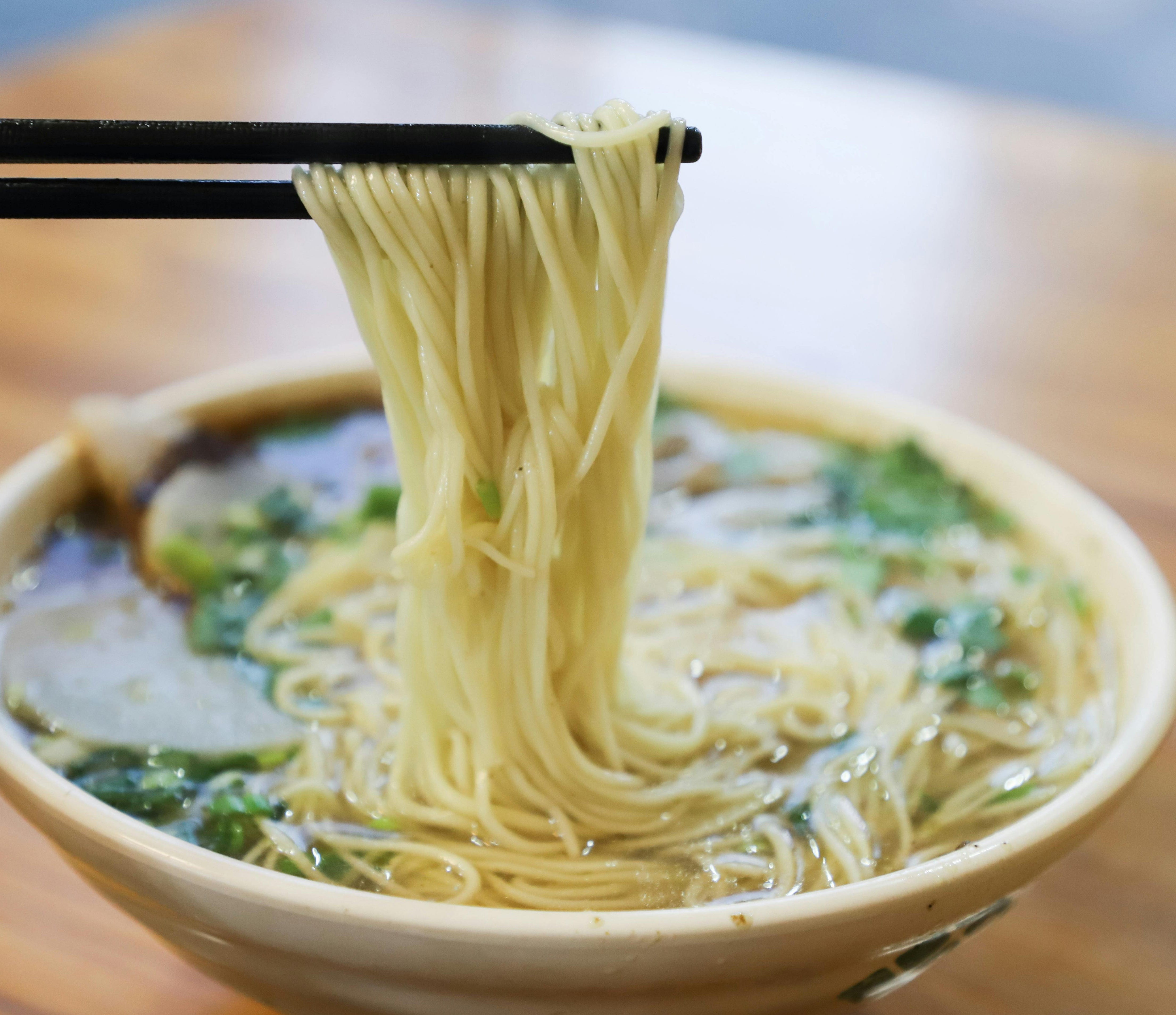
Before my first trip to Japan, I never really ate ramen. I associated it with cheap college dorm food—those instant packets you add hot water to, overly salty and completely uninspired. That was before I had the real thing—and became a ramen junkie. Whether or not you take it to my level of obsession, I’m excited to share everything you need to fall in love with ramen — plant-based style!
Brief origins of ramen in Japan
The essential components of ramen
Tips for finding plant-based ramen (and avoiding animal products) in Japan or anywhere else
My favorite vegan ramen spots in Tokyo and Kyoto
Recommended ramen-related movies
All of the articles in this series can be found here: Vegan Travel.
Origins of Ramen
Before it became a beloved staple of Japanese cuisine, ramen began elsewhere. Like many iconic dishes, its story starts across the sea—in China, where wheat was the dominant grain and noodles were already central to the cuisine. When Chinese immigrants brought these noodles to Japan in the late 19th or early 20th century, they laid the foundation for what would eventually become ramen—a dish that Japan would make entirely its own.
To understand where it all began, it helps to look at the word itself. In Chinese, mein simply means “noodles”—a term used in a wide range of dishes like chow mein (“stir-fried noodles”) and lo mein (“tossed noodles”). The Japanese word ramen comes from this same tradition, likely rooted in the Chinese characters ra (“stretch”) and men (“noodle”).
While the dish existed before WWII, it wasn’t until the postwar era—amid food shortages, U.S. wheat imports, and a growing urban workforce—that ramen began to evolve into its modern form. From there, it grew into a national icon, spawning countless regional styles and a devoted following.
But no matter the variation, every bowl of ramen is built on the same foundational elements.
Essential Ramen Components
At its core, ramen is a harmony of three main elements: noodles, broth, and toppings. Each one plays a vital role in creating the depth, texture, and satisfaction that make ramen so beloved. And yes—each can be entirely plant-based without sacrificing any of the flavor or comfort.
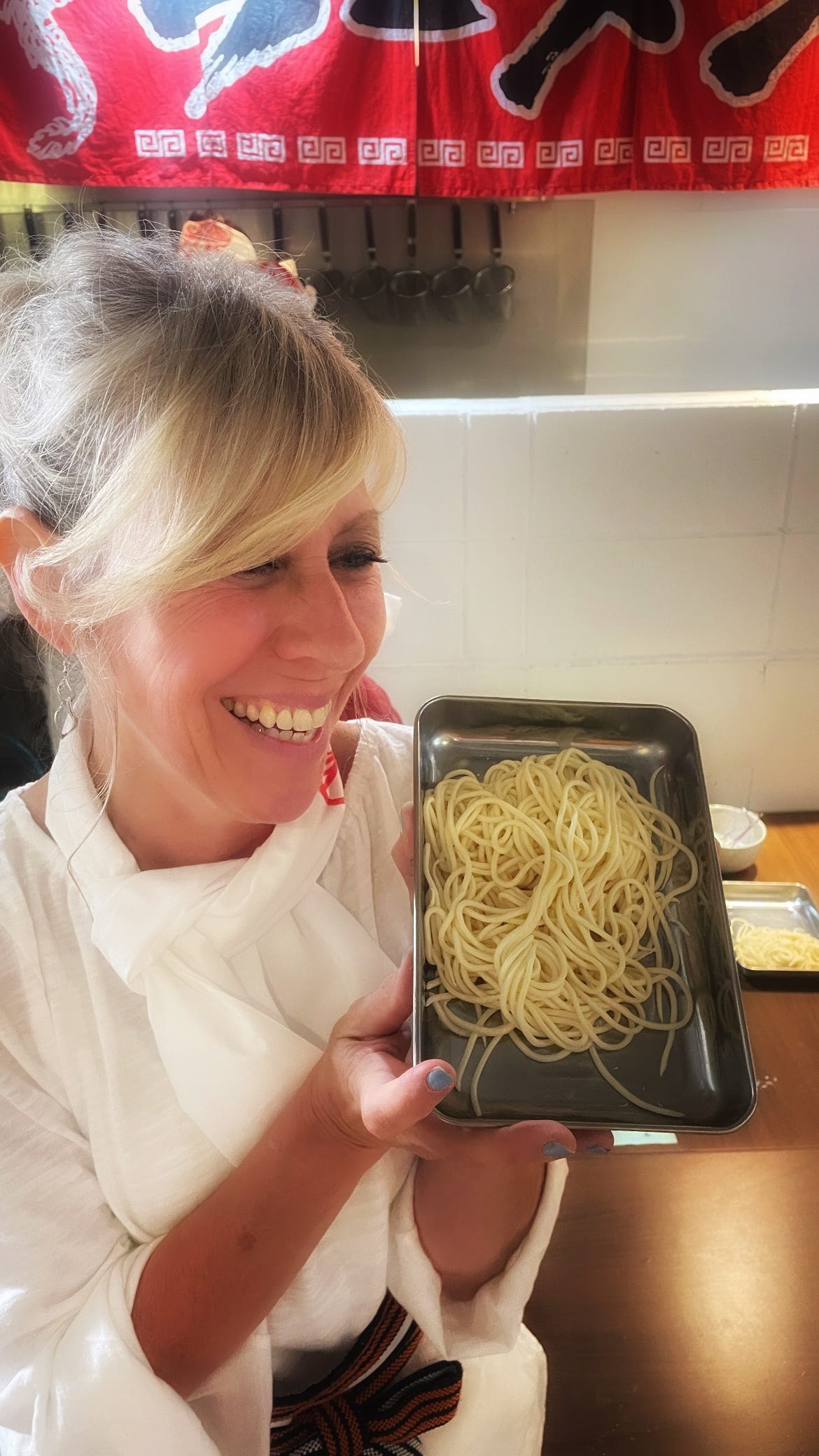
Noodles
Made from wheat flour, water, salt, and kansui—an alkaline mineral water that gives ramen noodles their signature yellow hue and springy texture. Most are naturally vegan, but always check the label if you’re buying packaged varieties. (This is my favorite.)
Broth
The broth is the heart of ramen, providing the flavorful foundation upon which all other components are built. It's the essence that brings the dish to life and sets the tone for the entire ramen experience. The broth's quality and flavor significantly impact the overall taste and enjoyment of the ramen.
Ramen broth is primarily classified by its flavor base: shio (salt), shoyu (soy sauce), miso (fermented soybean paste), and tonkotsu (pork bone broth). Shio is light and savory, shoyu is umami-rich and slightly sweet, miso is hearty and tangy, and tonkotsu is thick, creamy, and rich.
Types of Ramen Broth and Flavor Profiles:
Shio (Salt):
A light, clear broth with a savory and mildly salty flavor, often derived from chicken or seafood stock. It's considered one of the oldest styles of ramen and focuses on the purity of the broth.
Shoyu (Soy Sauce):
A clear, light broth with a deeper umami flavor derived from soy sauce. It's known for its slightly sweet and savory taste.
Miso (Fermented Soybean Paste):
A rich and hearty broth with a robust, umami-rich, and slightly tangy flavor. It's known for its thicker consistency and deep flavor.
Tonkotsu (Pork Bone):
A thick, creamy, fatty broth made by boiling pig bones for an extended period, until the collagen and marrow dissolve into the liquid. Obviously, this is not appropriate for vegans! However, many ramen shops now offer plant-based versions that capture the same creamy texture and savory intensity—without the animal bones. Instead, they use ingredients like soy milk or oat milk for body, sesame paste or tahini for richness, miso for umami, and mushrooms and kombu to build flavor. The result? A broth that's just as satisfying, with none of the cruelty.
The flavor profile of ramen broth can also be influenced by the specific ingredients and techniques used in its preparation. Also, because ramen has always been a dish that chefs play with and make their own, by definition it’s just as traditional to make plant-based versions without animal fat and fluids.
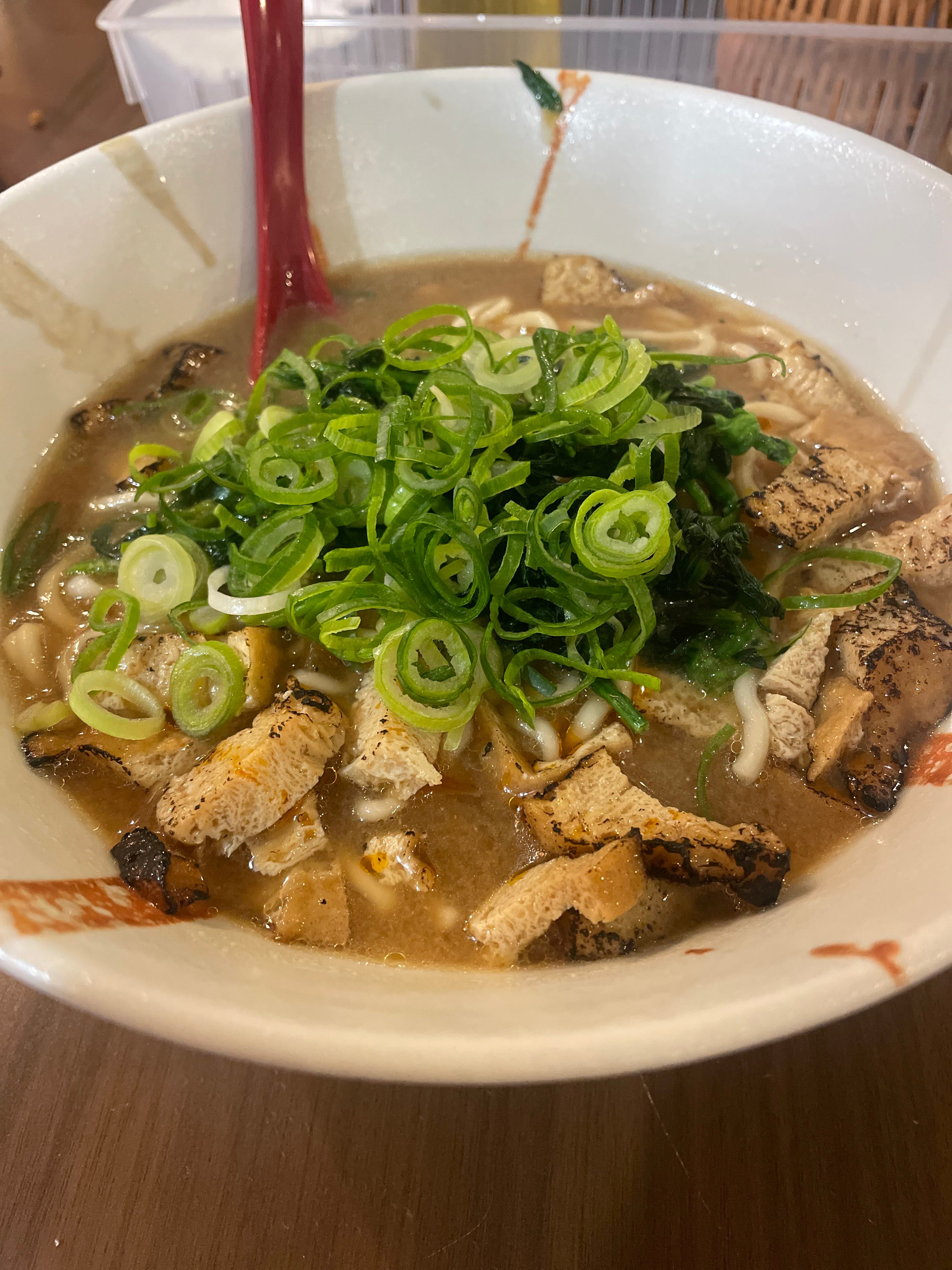
Toppings
Toppings bring texture, color, and flavor to the bowl—and this is where you can really play. Vegan-friendly options include:
Tofu (soft, marinated, or crispy)
Mushrooms (shiitake, enoki, king oyster)
Bamboo shoots
Sweet corn
Wilted spinach or bok choy
Green onions
Toasted sesame seeds
Nori (seaweed)
Optional additions like chili oil, fermented black garlic, or pickled ginger can elevate your bowl even more.
Keeping it Plant-Based
If you’re cooking at home, you can easily create rich, flavorful plant-based ramen broths using ingredients like kombu (kelp), dried shiitake mushrooms, miso paste, soy sauce, soy milk, and garlic oil. These provide the umami depth, creaminess, and satisfying flavor we love in traditional ramen—without the animal products. (Check out my Easy Vegan Ramen on-demand cooking class if you want to learn to make ramen at home.)
However, if you're in Japan (or at traditional ramen restaurants anywhere), it's important to know that most ramen shops do not accommodate special requests to make their ramen vegan. Unlike in other countries where you might ask to "veganize" a dish, that’s not typically how things work here. Japanese chefs do not alter their recipes.
So rather than asking for substitutions, it’s better to seek out places that already offer vegan ramen. And even then, here’s what to watch out for:
Broths that look vegetable-based may still contain fish-based dashi
Chili powders or spice blends sometimes include dried fish flakes (katsuobushi)
Toppings like menma (bamboo shoots) or flavored oils can also contain animal ingredients
To be safe, look for shops that explicitly label their ramen as vegan or plant-based.
And the good news is…
✓ More and more ramen shops are clearly marking vegan options on their menus—and they’re often noted in reviews.
✓ Fully vegan ramen shops are also on the rise, especially in larger cities, making it easier than ever to enjoy a satisfying, plant-based bowl.
Favorite Vegan Ramen in Japan
There are thousands of ramen shops in Tokyo, but only a small handful serve truly vegan ramen. That’s why traveling with a group like ours can be such a relief; you never have to worry about what’s hiding in the broth. But as a paid subscriber, you get access to my exclusive list of favorite spots. So if you’re heading to Japan on your own, you’ll still have some truly delicious ramen spots to seek out.

Tokyo
1. Kyushu Jangara: My Favorite Ramen in Japan
While not fully vegan, Kyushu Jangara offers clearly labeled vegan ramen at several Tokyo locations—including Harajuku, Ginza, Akasaka, and Akihabara. Their rich, soy-based vegan options are flavorful and easy to order (many locations have English menus).
They also run a fully vegan restaurant called Vegan Bistro Jangara, located above their Harajuku shop. It serves a variety of plant-based ramen styles along with other vegan dishes.
And fun fact: Japan Airlines now serves a vegan ramen inspired by Kyushu Jangara in First and Business Class on select international flights. You’ll find it on the a la carte menu.
2. T’s TanTan
A pioneer in Tokyo's vegan ramen scene, T’s TanTan specializes in tantanmen—a spicy, sesame-based noodle soup. With locations in Tokyo Station, Ueno, and Ikebukuro, they offer a fully plant-based menu with standout flavors like Golden Sesame and Black Sesame, plus sides like gyoza and karaage.
3. Vegan Ramen UZU Tokyo
Situated within the teamLab Planets TOKYO in Toyosu, UZU offers a unique dining experience combining art and cuisine. Their Tokyo-exclusive Miso Ramen features a blend of oat milk, miso, sesame paste, and seasonal vegetables, creating a rich and satisfying bowl.
Kyoto
1. Vegan Ramen UZU Kyoto
Located in Gosho-Minami, this fully vegan ramen restaurant offers a unique dining experience by combining plant-based cuisine with immersive digital art installations by teamLab. The menu features options like soy sauce-based and spicy miso ramen, with noodles made from Hokkaido and Miyazaki flours. Reservations are recommended due to limited seating.
2. Kyoto Engine Ramen
Situated in the Shinkyogoku Shopping District, Kyoto Engine Ramen caters to various dietary needs with vegan, halal, and gluten-free options. Their vegan ramen includes soy milk-based broths, such as the spicy "Zesty" variant.
3. Gion Soy Milk Ramen Uno Yokiko
Located in the Gion area, this vegan ramen shop offers a variety of soy milk-based broths with toppings like vegetables, gyoza, and yuba. They also provide gluten-free noodles made from rice and kelp.
4. Ramen Factory
As part of our Joyful Vegan Japan Trip, we don’t just eat ramen—we make it! Ramen Factory Kyoto in Higashiyama offers a unique, hands-on experience where you can craft your own bowl of ramen from scratch. We crafted the noodles by hand, charred our tofu toppings, blended custom broths, and slurped our own creations with pride!
AND, unsolicited, the folks at Ramen Factory even covered their usual (very meat-heavy) ramen mural with a full plant-based version just for us! That is how we JOYFUL VEGAN TRAVEL! I hope you can join me one day!


Recommended Ramen-Related Films
Ramen isn’t just a beloved dish—it’s a cultural icon, full of story, memory, and meaning. If you want to understand ramen, watch these two films with the caveat that they’re not vegan.
Tampopo (1985) A classic Japanese film often described as a "ramen western," Tampopo explores the quest for the perfect bowl of ramen through a series of comedic and heartwarming vignettes. That said, a heads-up: if you're sensitive to the depiction of animal products, this may not be the film for you—it’s quite meat-heavy, and there is one particularly upsetting scene involving a turtle. Still, if you’re comfortable looking away during a couple of moments, I think this film is absolutely worth watching. It's clever, quirky, and deeply rooted in Japan’s food culture.
Come Back Anytime (2021) follows the story of Masamoto Ueda, an aging ramen master who has run his Tokyo ramen shop for decades. The film captures the close-knit community that has formed around his delicious ramen and the warmth and camaraderie his shop fosters among its patrons. While the ramen is the center, the story is really about the beautiful sense of connection, belonging, and routine it creates. It’s absolutely lovely.
All of the articles in this series can be found here: Vegan Travel: Japan
Additional Resources
👉 Connect with me 1:1 – Get personalized guidance whatever you are looking for.
👉 Read A Year of Compassion – Daily inspiration to help you live with intention, kindness, and clarity.
👉 Check out my Recipe E-Books and my library of On-Demand Cooking Classes for recipes.
👉 Travel the World Vegan Style! I’ve partnered with World Vegan Travel to bring you the best in luxury, all-inclusive vegan trips around the globe. Whether I am personally hosting or not, every itinerary is curated for a high-quality, premium experience. Check out upcoming trips, and please remember when booking any trip to mention you heard about them from COLLEEN PATRICK-GOUDREAU. 😊

Joyful Vegan Travel Series
We’re starting in Japan, but this is just the beginning of my new travel series. Join me behind the scenes of our unforgettable plant-based journeys around the world! In exclusive posts, notes, and private chats, I’ll be sharing an abundance of practical travel tips, restaurant recommendations, cultural insights, and reflections on compassionate travel, including:
My favorite restaurants and plant-based dishes from each destination
Hidden gems and meaningful local experiences
Tips for avoiding animal cruelty while traveling
Behind-the-scenes stories, sneak peeks, and real-time updates
Early access to upcoming trips and itinerary reveals
If you’re reading this as a free or non-subscriber, I invite you to join me on these virtual adventures, whether or not you travel with me for real.
thank you! i am traveling to japan in june and saved all your recommended ramen spots on my map :)
Is your ramen recipe available in any of your eBooks or just the cooking class?