


Thank you for clicking the heart ❤️ at the top or bottom of this post, so others can discover this publication! 🙏
This article is part of my ongoing series called Rewilding Your Yard for Wildlife and Biodiversity.

“I speculate that one reason so little respect is given to native plant communities in my town is that they are now so little in evidence.”
I recently read that sentence in Judith Larner Lowry’s book, Gardening with a Wild Heart. Lowry is an author, ecologist, and native garden designer who was described to me as 'the Douglas Tallamy before Douglas Tallamy.'
This isn't to take anything away from Douglas Tallamy, whose book, Nature’s Best Hope, was the catalyst for my own awakening—and that of millions of others—regarding the urgent need to restore native plant communities to support and recover our wildlife species.
But as Lowry is a fellow Californian—and founder of the native-seed powerhouse Larner Seeds in Bolinas, CA—it was recommended I give her work a read.
I‘ll have much more to report on the many gems I’ve discovered in her writing later, but I wanted to pause on that one sentence, as it contains so much wisdom and serves as the perfect catalyst for today’s article.
“I speculate that one reason so little respect is given to native plant communities in my town is that they are now so little in evidence.”
Here—and in her book at large—Lowry reflects on why our landscapes have become so overrun with non-native species, and why those of us who have had a ‘conversion’ often struggle to communicate the beauty and benefit of the indigenous plants that belong here (wherever here is for you).
The reality is that most of us, wherever we may live, are standing on land once dominated by plants that took thousands of years to adapt to specific soils and climates. They grew in a harmonious relationship with the local animals, creating a balanced, self-sustaining ecosystem. But over time, those original communities were erased, replaced by a sea of exotic ornamentals and tenacious invasives.
She offers the generous insight that we cannot respect what we cannot see.
So simple. So true.
Thanks to visionaries like Lowry and Tallamy, a global shift is underway. Across the U.S., grassroots initiatives like Homegrown National Park—Tallamy’s project to regenerate biodiversity one yard at a time—are gaining significant ground, mirroring a growing movement of people worldwide working to make these plant communities ‘evident’ once again.
For me, locally, leading this charge is the Bringing Back the Natives Garden Tour. This remarkable volunteer-run annual event entails private homeowners inviting the public into their gardens to witness firsthand the transformation of traditional yards into thriving native habitats.
While this is the third year I’ve toured these gardens (more on that soon), my journey with this group actually began during the COVID lockdown. It was during that time of ‘conversion’ that I first discovered Bringing Back the Natives, just as they had pivoted from their traditional format of in-person tours to online tours. (I highly recommend subscribing to their YouTube channel to watch countless inspiring and informative videos.)
Since then, I’ve followed their transition back to the fully in-person experience it is today—an event that is growing in scale and energy every year. While I aspire to one day have my own garden(s) included on the tour, for now, I am like a sponge soaking up everything I can and spent this past weekend in a state of pure wonder, visiting seven gardens in a single day and spending a significant amount of time in each.
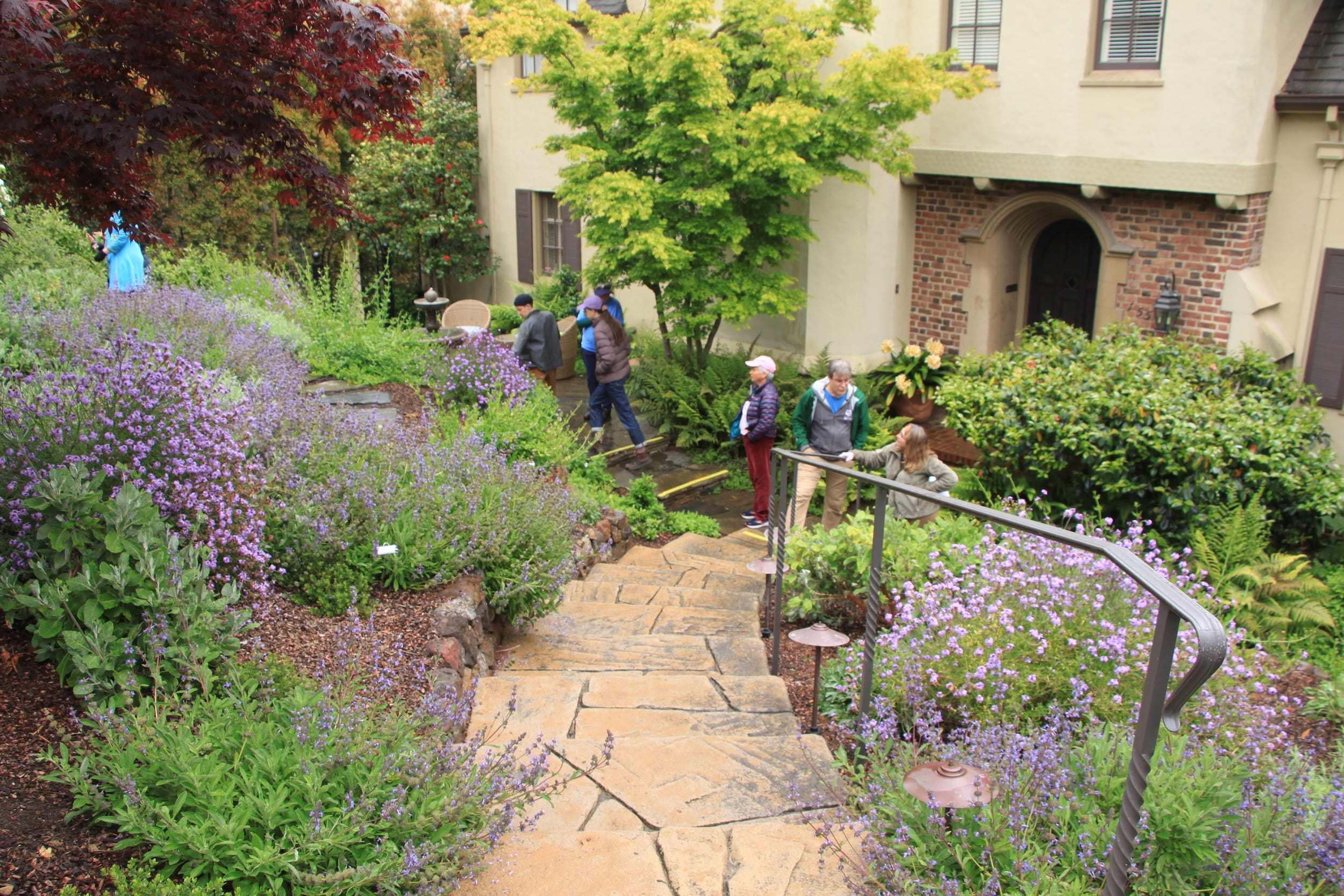
With 70 gardens to choose from, I had to be discerning—and I landed on seven. Even that was a lot for one day, but I wanted to make the most of it (and dragged my amazing husband along for the ride).
Four of the gardens on my list turned out to be within walking distance of our house, so we powered through those first, stopped home to refuel, then headed back out for three more a little further afield. We had planned to visit a few more on Sunday, but instead, I spent the day in my own garden, planting some of the 30+ native plants I had bought even before the tours had begun! (Yes, I’m obsessed.)
After absorbing a ton of inspiration, taking copious notes and photos, and connecting with many other native gardening enthusiasts—from neighbors to professional landscapers—I came home exhausted but full.
I immediately ‘downloaded my brain’ to capture everything, and while many of my takeaways were specific to my own property and project, I realized there is so much I could share here that might be helpful for your own rewilding journey.
When we lose the common wildlife in our immediate surroundings, we run the risk of becoming inured to nature’s absences, blind to delight, and, eventually, alienated from the land. ~Judith Larner Lowry
Before I dive into those lessons, I want to remind you of my previous articles that offer deeper dives into getting started, managing water, and supporting the animals we share our spaces with:
How to Create a Pollinator Sanctuary in Your Own Backyard – Simple, practical steps to restore habitat right outside your door.
Lessons from a Native Garden (One Year Later) – Three key lessons for supporting wildlife in your own space.
How to Grow Native Wildflowers – A beginner-friendly guide for every budget and any size space.
Why I Don’t Use Bird Feeders — And What I Do Instead – Essential ways to support birds through habitat rather than handouts.
Backyard Wildlife Safari – Simple ways to admire and support the animals living among us.
Gardening Without Animal Products – A guide to growing plants free from slaughterhouse waste like bone and feather meal.
Confessions of a (Joyful) Ivy Killer – Why certain vines threaten biodiversity and how to handle them.
What an Oak Tree Taught Me About Resilience – Lessons in renewal from one of our most important keystone species.
To Weed or Not to Weed – Deciding what to pull (or keep) when creating a wildlife habitat.
Planting Native Flowers Saves Pollinators – Why focus on flowers rather than beehives to truly help native bees.
Heat Waves and Dry Spells – How to irrigate using winter rain and grey water without wasting resources.
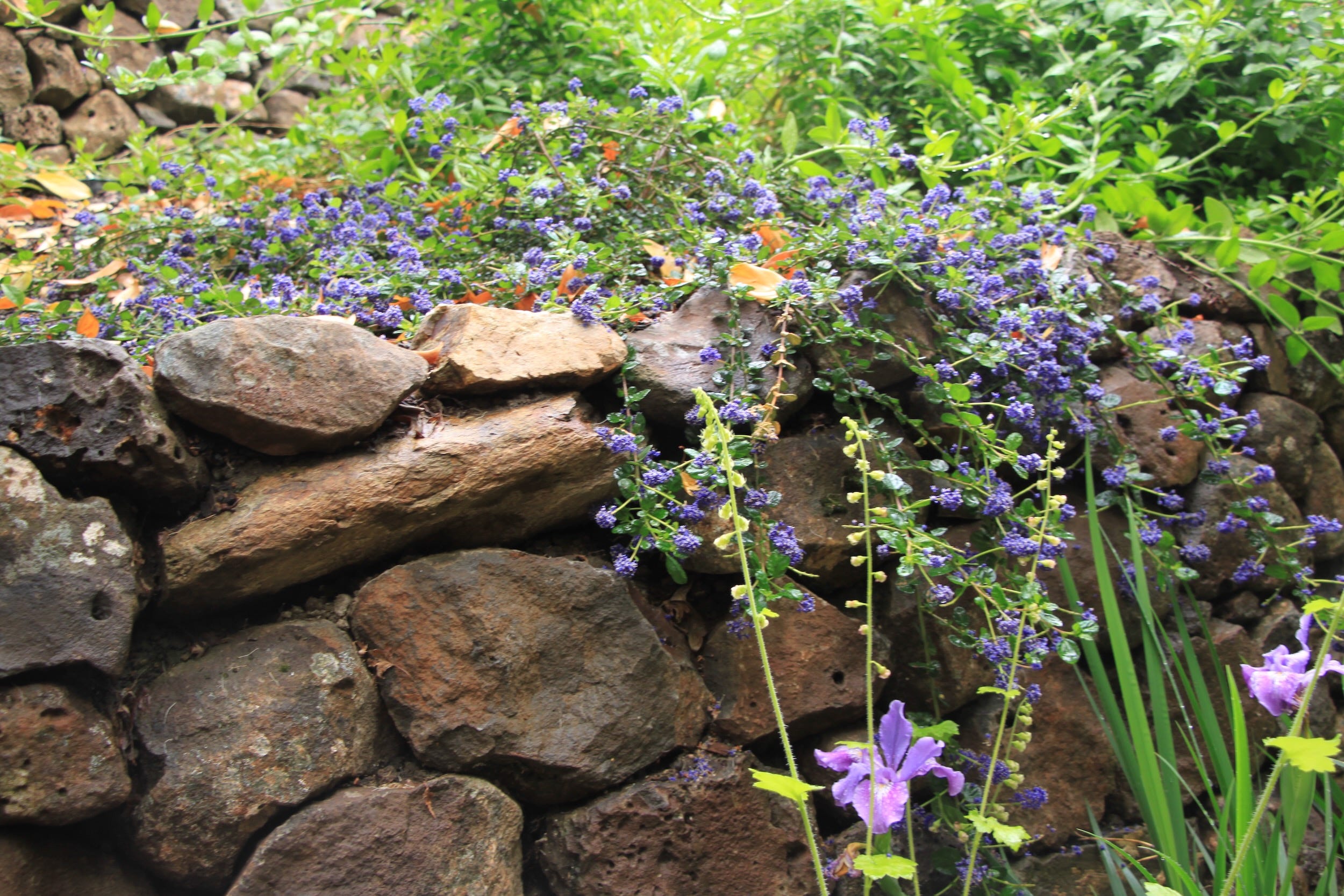
And now, for the five big takeaways from my weekend marathon:
1. The Art of Being Flexible
One of the most liberating parts of this journey is realizing that the garden is a living, breathing thing—not a static painting. You plant, you observe, and you stay open to the idea that things can change. If a plant isn’t thriving, you can move it. It’s an ever-changing, ever-evolving, never-ending process.
I talked to many gardeners on the tour who have experienced this, and I’ve been doing this quite a bit lately in my own garden:
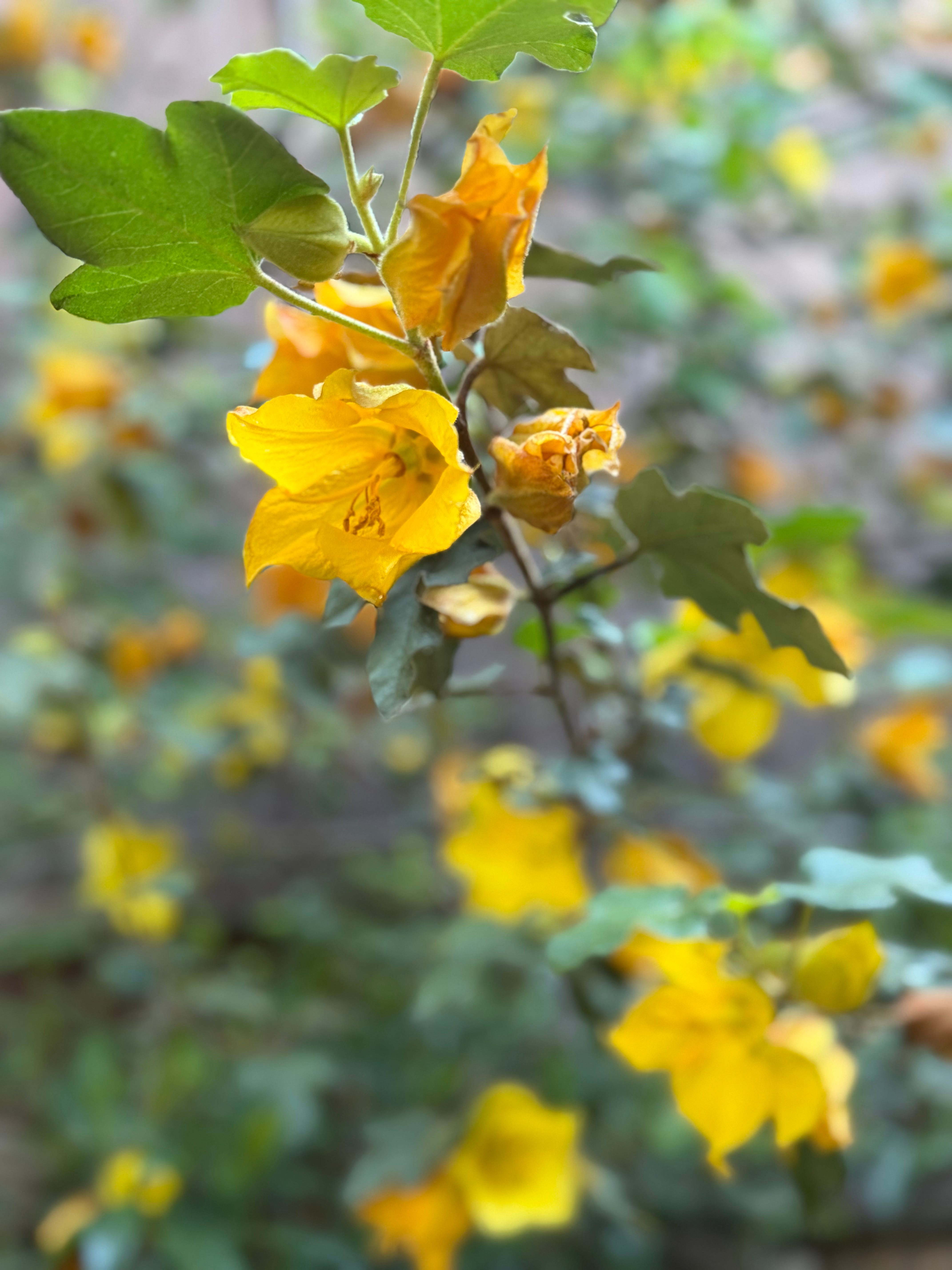
I recently moved a Flannel Bush (Fremontodendron californicum) to a sunnier spot. It had been in the ground for two years and just wasn’t doing much, so I decided to give it the heat it clearly craves.
I had to rescue four newly planted Snowberries (Symphoricarpos albus) from our street-level garden. The deer were absolutely destroying them, so I transplanted them to a safe spot within our gated gardens. They are already thriving.
I moved some Seep Monkeyflower (Erythranthe guttata) from a pot near a fountain to a different garden. I had originally thought it would appreciate the constant splash of the fountain the pot was near, but it wasn't doing much there. Since moving it to a shady spot in the ground, it is absolutely thrilled.
The point is, you aren’t “failing” if you have to move a plant; you’re just listening to what it’s telling you its needs are.
2. 100% Isn’t the Goal
I’m saying this to myself as much as I am to you. One of the most helpful things I noticed on the tour was that even the most stunning native gardens still had non-native plants mixed in. I am finally giving myself permission to stop beating myself up for what was already here before I moved in—and for the non-native plants I planted before I knew better.
The truth is, much of my property is framed by structural, non-native pieces that are doing no harm. Whether it’s non-native Boxwood, Arbutus, Maple, Birch, or Olive trees, I’m not cutting them down; they are part of the history and the story of this space.
If they were invasive or ecological threats—like the English Ivy, French broom, and veldt grass I have worked so hard to remove—I would make a different choice, and maybe someday I’ll make a different decision. But by interplanting new natives around these legacy trees and shrubs, I’m keeping this project a sustainable, reasonable, and affordable one. We don’t need to be purists to be part of the solution; we just need to be intentional about what we add next.
Someone I know once said Don’t do nothing because you can’t do everything. Do something. Everything.
3. Strength in Numbers
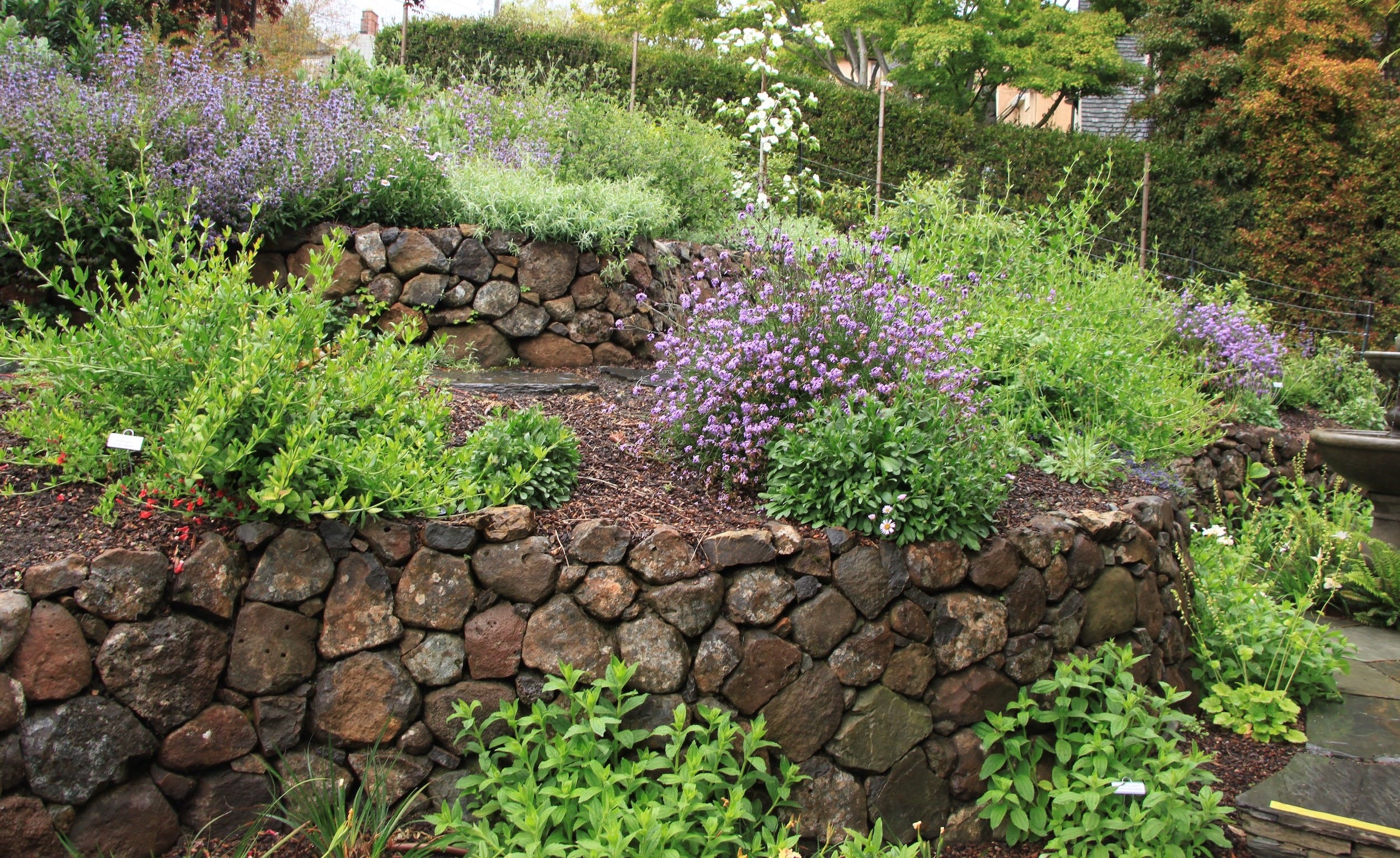
The gardens that felt the most “full” and cohesive weren’t the ones with one of everything—they were the ones that embraced consistency. On one hand, from a design perspective, planting in groups creates a sense of visual continuity that anchors the space and makes the landscape feel intentional rather than cluttered. Your eye knows where to go. On the other hand, it is a brilliant ecological strategy.
By planting in clusters, we create a more efficient “one-stop shop” for pollinators. Rather than forcing a bee or butterfly to expend precious energy flying across the property to find the next individual bloom, a dense patch provides a concentrated source of the nectar they crave and a reliable nursery for the plants they need to lay their eggs on. It turns out that what is easiest on the eye is also easiest on the animals we’re trying to support.
4. Find Native Twins
I’ve become pretty good at identifying natives, but this tour was a humbling reminder of the sheer variety available to us. It was incredibly exciting to realize that for almost every “exotic” plant we admire around the world, there is often a local version that fits the same aesthetic while doing the actual work of supporting our home ecosystem.
For instance, it’s no surprise that we spend a lot of time in Japan (including next year when we’re hosting an autumn trip to gaze at the maples), and we have always loved Japanese Maples, Dogwoods, and Rhododendrons. It turns out that we have our own native California Maples, California Dogwoods, and Western Azaleas. They are distinct from the Asian varieties, of course, but they offer that same beloved silhouette and spirit while providing immense local benefit.
5. Compassionate Culling
My journey so far has been about addition—incorporating as many native plants as possible into the landscape. But after this weekend, I’m finally ready for the next chapter: subtraction.
I’ve intentionally kept many non-natives in place so birds and insects wouldn’t lose their cover while the new habitat found its footing. (See above.) But now that the natives are established, it’s time for some of the “old guard” to go—especially those I’ve realized are actually quite invasive (or at least insistent and pervasive).
A primary example is the non-native Salvias I planted years ago to “support pollinators,” such as Salvia microphylla or'Hot Lips'. Through this journey, of course, I’ve learned that they primarily serve non-native insects while displacing the native Sages that could support everyone. Beyond the ecological mismatch, they are deceptively aggressive, sending underground shoots everywhere. I can see the proof just past our boxwood hedge, where they’ve completely taken over my neighbor’s side.
These plants have served their purpose, and it’s time to let them go now. By removing them, I’m making space for native plant communities to thrive and to restore this oak woodland to what it once was.
What are your thoughts? What is your experience? I’d love to know.
Additional Resources
👉 Connect with me 1:1 – Get personalized guidance whatever you are looking for. (One one-on-one connection is also a perk of the Founding Member/VIP level here on Substack.)
👉 Read A Year of Compassion – Daily inspiration to help you live with intention, kindness, and clarity.
👉 Travel with me! I host animal-friendly, luxury, all-inclusive vegan trips around the world, specifically curated to ensure high-quality, high-touch premium experiences. Check out our upcoming trips, and let me know if you have any questions.
👉 Check out my Recipe E-Books and my library of On-Demand Cooking Classes for recipes.
Plant-Based Nutrients
Even with a nutrient-rich plant-based diet, we can thrive even more with thoughtful support. That’s where Complement comes in, I take Complement Essential as my daily multivitamin for B12, D3, iodine, zinc, and magnesium; Omega Complex for essential fats; and as part of my strength-training and muscle-building routine, I fuel up with their clean Organic Protein. With Complement and my nutrient-rich diet, I have everything I need to fuel my body, support my strength, and thrive so I can do my work in the world for animals — both human and non-human.
This is a great article for someone just beginning on this journey. Especially the permission to take small steps forward and not let perfection hold me back from even starting. Also the links to your past articles are gold.
Wonderful article! I am into the flora and fauna of a brand new area- Tennessee. It is remarkable to discover the similarities and differences between California and the South. Every day is a new adventure.